


Your cart
Order note
Order special instructions
Discount
Discount invalid. Please make sure the discount details are correct.
Free shipping code should be applied later on Checkout page.
Discount code is already applied.
Discount applied!
Hydration & Electrolytes

Hydration & Electrolytes
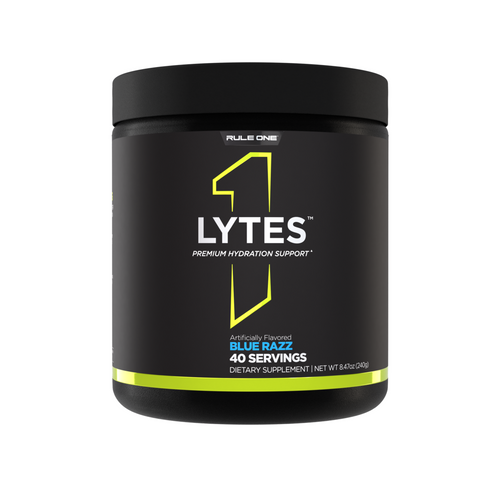
Hydration and electrolyte products help replace the fluid and minerals, mainly sodium and potassium, that you lose in sweat. This range covers electrolyte powders in tubs and sachets, chewable electrolyte tablets, electrolyte energy gels and pickle juice shots, from brands including Dr. Hydrate, Switch Nutrition, Ghost, Science in Sport and EHP Labs.
Read the Hydration & Electrolytes buying guide-
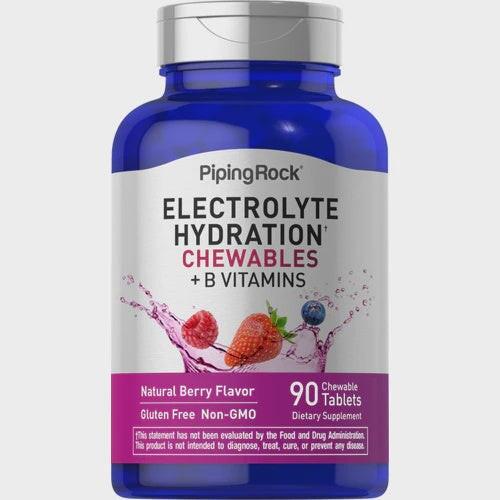 Piping Rock$59.95Save $10
$69.95




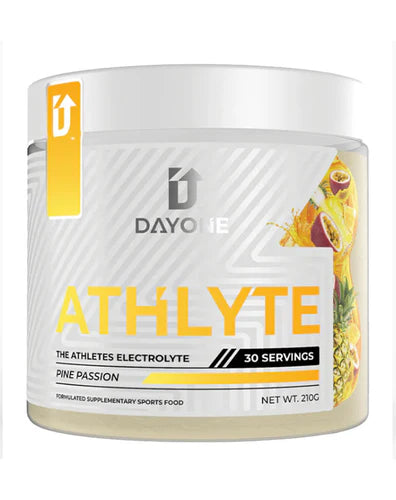
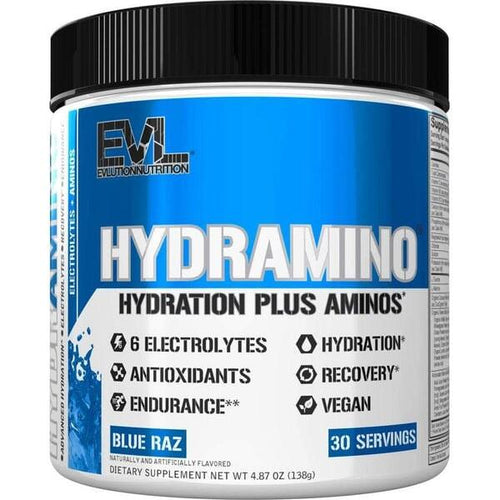
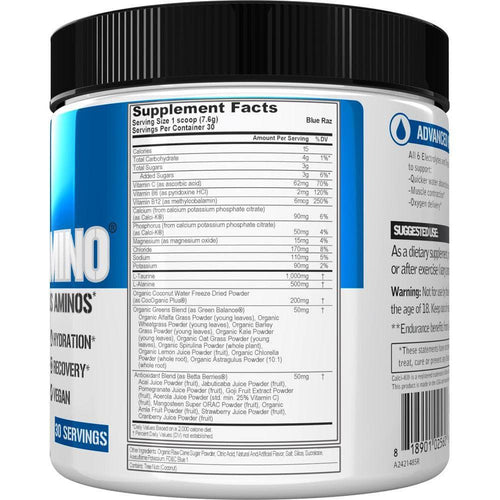
No products found for ""
Hydration & Electrolytes: buying guide
Who uses electrolytes and why
Sweat is mostly water, but it also carries sodium and smaller amounts of other minerals. How much you lose varies a lot from person to person, and sweat losses climb with heat, humidity and effort. That is why two people doing the same session can need very different amounts.
The Australian Institute of Sport (AIS) lists electrolyte supplements in Group A of its Sports Supplement Framework, as a sports food with strong evidence for specific situations. Its fact sheet points to these situations:
- High sweat losses: long sessions, hot or humid conditions, and people whose sweat is noticeably salty.
- Rehydrating after training: when you finish with a moderate or large fluid deficit, especially if you will not be eating for a while.
- Preparing for the heat: some athletes drink a higher-sodium fluid in the 1 to 2 hours before exercising in hot conditions, ideally with guidance from a sports dietitian.
Salty food also replaces sodium. Supplements simply give you a known amount in a form that is easy to take around training.
Powders, tablets, gels or shots?
| Format | Suits | What to check |
|---|---|---|
| Powder tubs | Everyday training, where you can adjust how strong you mix it | Sodium per serve, sugar, number of serves |
| Sachets | Gym bags, travel and race day, with one pre-measured serve each | Same as tubs, plus how much water each sachet is designed for |
| Chewable tablets | Taking electrolytes without mixing a drink | How many tablets make a serve and the sodium that serve provides |
| Electrolyte gels | Long runs, rides and races where you also need carbohydrate | Carbohydrate and sodium per gel, and whether it contains caffeine |
| Pickle juice shots | A small, salty, vinegar-based shot taken in one go | Sodium per shot and how the strong taste sits with you |
How to compare electrolytes on the label
- Sodium per serve. Sodium is the electrolyte that sports guidelines focus on, so it is the number to compare first. As a guide for drinks during exercise, the AIS fact sheet gives a sodium target of about 0.5 to 0.7 g (500 to 700 mg) per litre of fluid. Check how much water the label says to mix each serve with, then compare sodium per litre. For example, a serve with 500 mg of sodium mixed into 500 ml of water works out at 1,000 mg per litre, which is above that range.
- Potassium and magnesium. Most products also list potassium, and some add magnesium. Compare these after sodium.
- Sugar or sugar free. Carbohydrate is useful fuel in long sessions, which is why the AIS also lists sports drinks and sports gels in Group A. Sugar-free products suit shorter sessions and everyday use. Check which sweetener is used if that matters to you.
- Extras. Some formulas add vitamins, amino acids or caffeine. If you train late or are sensitive to stimulants, check the panel before buying.
- Testing. If you compete in a drug-tested sport, choose a batch-tested product (for example HASTA or Informed Sport certified) and check with your sport before you use it.
How to use them
A simple way to learn your own needs is to weigh yourself before and after a typical session. The American College of Sports Medicine (ACSM) recommends drinking during exercise to avoid losing more than 2% of your body weight, with a personal plan because sweat rates differ so much. Afterwards, the AIS suggests drinking about 1.2 to 1.5 times the fluid you lost over the next 2 to 4 hours. Each kilogram of body weight lost is roughly a litre of fluid, so if you finish 1 kg lighter, aim for about 1.2 to 1.5 litres over that time. An electrolyte drink or salty food is most useful when that deficit is large.
Mix each product with the amount of water on the label. A stronger mix is not better: higher-sodium drinks taste saltier, and the AIS notes that too much salt during exercise can upset your stomach. Our guide to the best electrolytes in Australia compares our top picks.
Safety and who should check first
- If you have been told to limit salt, or you have a heart or kidney condition, check with your doctor before using high-sodium products.
- Many electrolyte products also contain potassium. If you have kidney disease or take medicines that affect potassium, ask your doctor or pharmacist first.
- Electrolyte drinks for sport are different from oral rehydration solutions used for gastro. For vomiting or diarrhoea, especially in children, follow medical advice.
Popular hydration products at Supps247
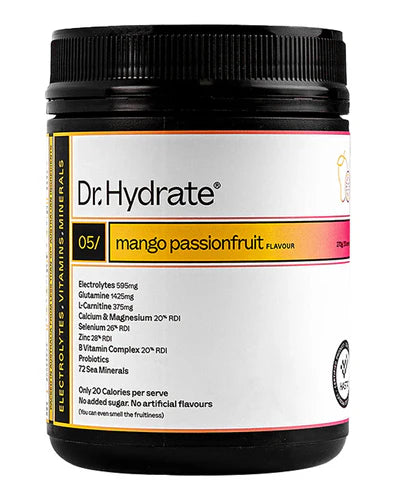
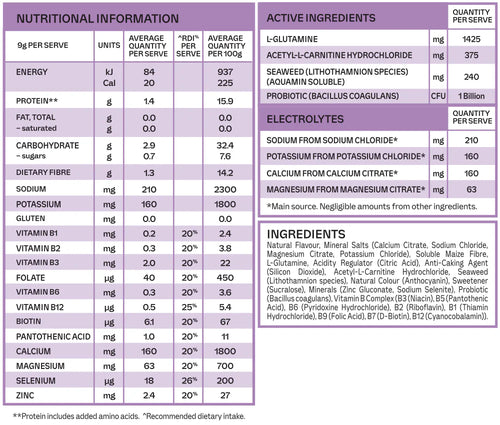
- Dr. Hydrate Electrolytes: our best-selling hydration product over the last six months.
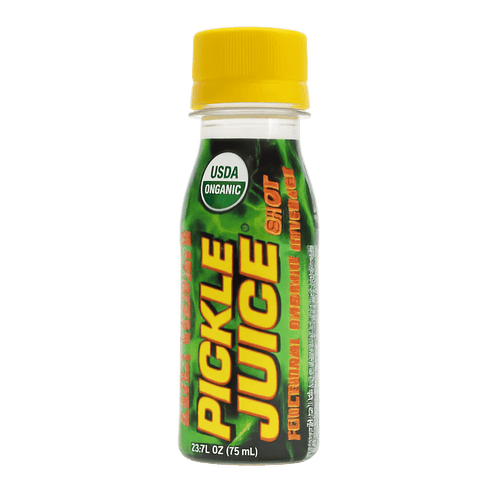
- Extra Strength Pickle Juice Shots 75 ml: 470 mg sodium per shot and zero sugar.
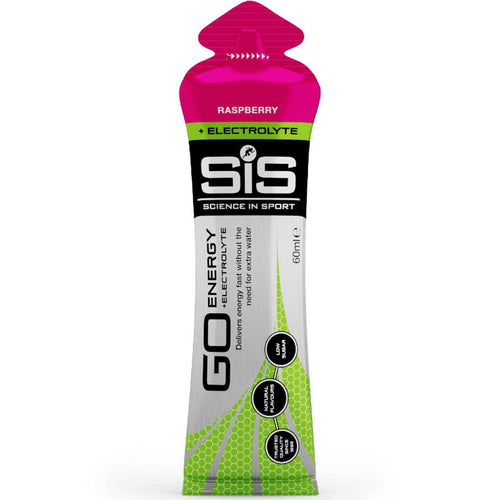
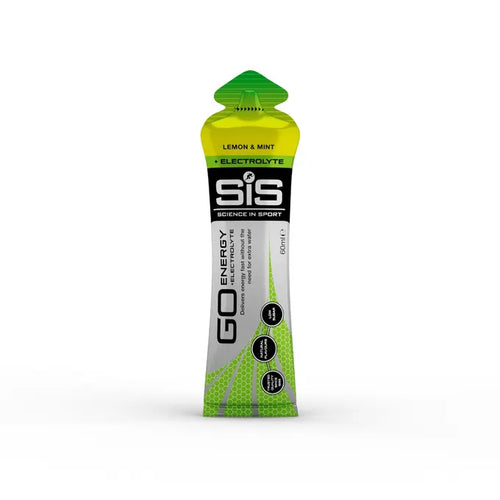
- Science in Sport GO Electrolyte Gels: 22 g carbohydrate and 118 mg sodium per 60 ml gel.
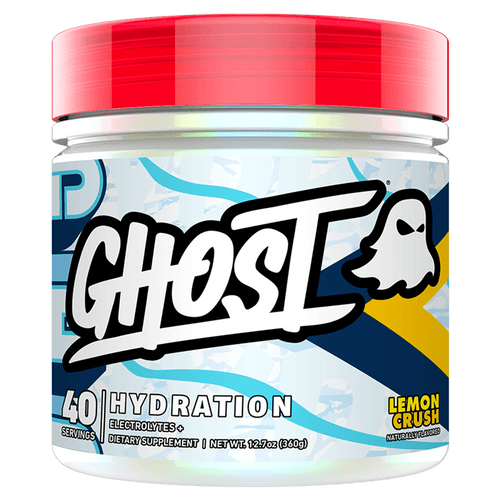
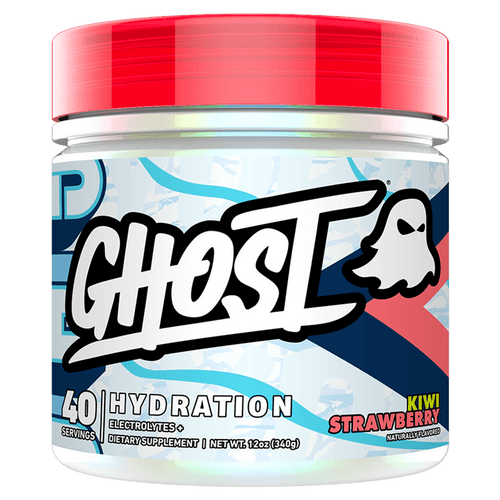
- Ghost Hydration: listed by the brand as caffeine free with zero sugar.
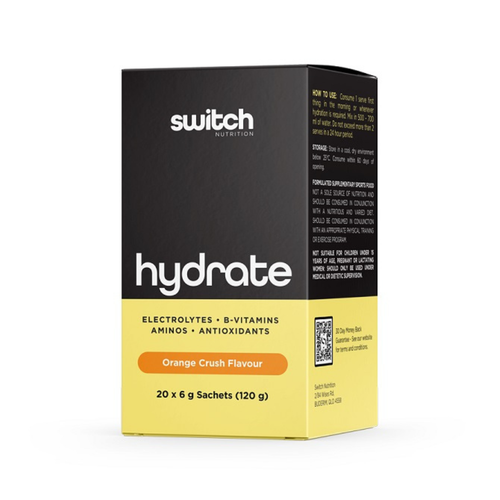
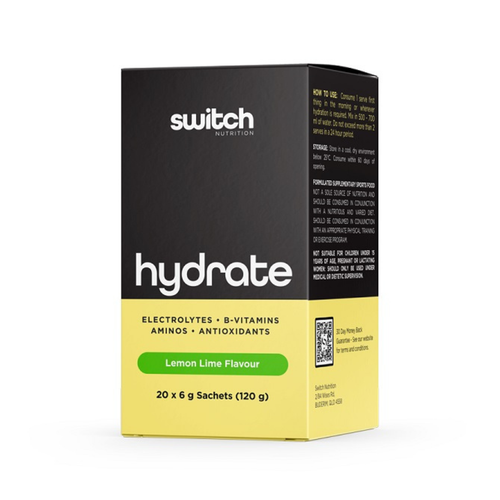
- Switch Nutrition Hydrate Sachets: 20 single-serve sachets, also sold in a tub.
- Piping Rock Electrolyte Hydration Chewables: 90 berry-flavoured chewable tablets with added B vitamins.
Related categories
For long sessions, pair hydration with carbohydrate supplements or running gels. Many EAA drinks are sipped during training too, and you can browse more fuel options under endurance and stamina.
Sources: AIS Sports Supplement Framework: Electrolyte replacement supplements fact sheet; ACSM position stand: Exercise and fluid replacement (2007); healthdirect: Salt.
Order online with Australia-wide delivery, free on orders of $100 or more, or visit a Supps247 store in Melbourne, regional Victoria or Brisbane to compare products in person before you buy. Members can use our price match guarantee on full-priced items.
Always read the label and follow the directions for use. If you have a medical condition, are pregnant or take regular medication, check with your doctor first.
Hydration & Electrolytes: questions and answers
Do I need electrolytes or is water enough?
What is the difference between electrolyte drinks and sports drinks?
Is it OK to drink electrolytes every day?
Can you drink too much water or electrolytes?
Are electrolyte tablets as good as powders?
Does pickle juice help with cramps?
When should I use an electrolyte gel?


