





Your cart
Order note
Order special instructions
Discount
Discount invalid. Please make sure the discount details are correct.
Free shipping code should be applied later on Checkout page.
Discount code is already applied.
Discount applied!
Krill OIl

Krill OIl
Krill oil is an omega-3 supplement extracted from krill, and shoppers often compare it with fish oil and other omega-3 sources. This collection currently holds those alternatives: fish oil, cod liver oil, multi-oil omega blends and flaxseed oil capsules, from brands including Allmax, Universal Nutrition (Animal), 21st Century, Now Foods and Horbaach.
Read the Krill OIl buying guide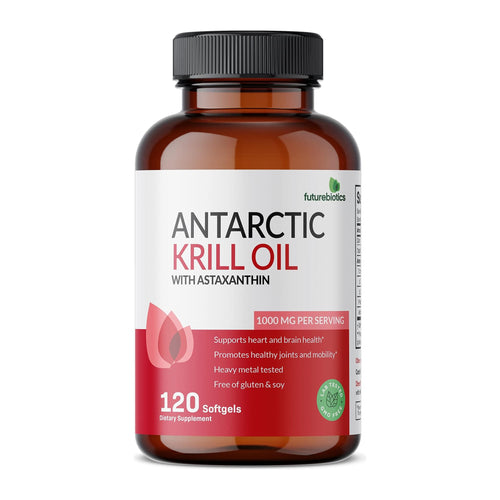
No products found for ""
Krill OIl: buying guide
Krill oil, fish oil, cod liver oil or flaxseed?
The omega-3s most people are after are EPA and DHA, the long-chain types found in seafood. The sources differ in the form they come in and what else they carry:
| Type | Omega-3 form | Worth knowing |
|---|---|---|
| Krill oil | EPA and DHA, mainly as phospholipids | Some studies suggest slightly better absorption than fish oil; others find no advantage |
| Fish oil | EPA and DHA, as natural or re-esterified triglycerides or ethyl esters | All forms raise blood EPA and DHA. Ethyl esters are absorbed slightly less well |
| Cod liver oil | EPA and DHA | Also provides vitamins A and D, so count these if you take a multivitamin |
| Flaxseed oil | ALA, a plant omega-3 | Your body converts only a small share of ALA into EPA and DHA |
If you avoid animal products, algal oil is the plant-based source of DHA, and some algal oils contain EPA as well. See our vegan range.
How to compare omega-3 products
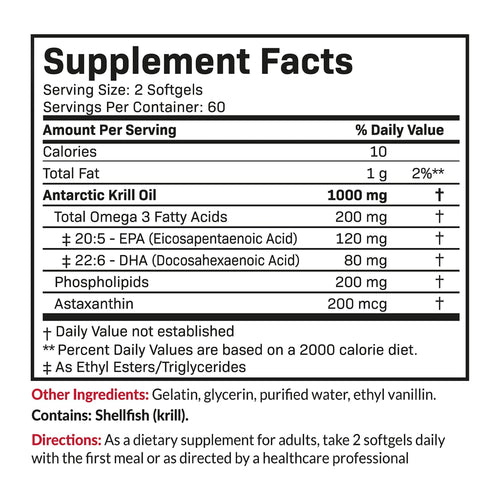
- EPA and DHA per serve. The front label often shows total oil (for example 1,000 mg), but the amounts of EPA and DHA inside can vary widely. Read the panel.
- Capsules per serve. Check how many capsules make up one serve before comparing value.
- Form. Triglyceride, ethyl ester or phospholipid. All work; the differences in absorption are modest.
- Extra nutrients. Cod liver oil and blends may add vitamins or other fats. Check you are not doubling up.
- Allergens. Check the label for fish, shellfish and soy statements.
Safety
Side effects are usually mild, such as an unpleasant taste, bad breath, heartburn, nausea or stomach discomfort. If you take warfarin or another blood thinner, talk to your doctor before starting, because fish oil may affect clotting test results. If you are pregnant, check with your doctor before using cod liver oil, as it contains vitamin A. The Australian Institute of Sport lists fish oils in Group B, meaning emerging evidence for athletes.
Popular picks at Supps247
- Allmax Omega 3: 180 capsules and the best seller in this collection.
- Animal Advanced Omega 3 and EFAs: an omega-3 and essential fatty acid blend from Universal Nutrition.
- 21st Century Fish Oil: a standard fish oil.
- NOW Foods Cod Liver Oil 1000 mg: cod liver oil, which also supplies vitamins A and D.
- Horbaach Flaxseed Oil 3000 mg: a plant-based ALA option in 300 softgels.
Related categories
Browse the full fish oil range, vitamin D and joint support.
Sources: NIH Office of Dietary Supplements: Omega-3 Fatty Acids; AIS Sports Supplement Framework (ABCD system).
Order online with Australia-wide delivery, free on orders of $100 or more, or visit a Supps247 store in Melbourne, regional Victoria or Brisbane to compare products in person before you buy. Members can use our price match guarantee on full-priced items.
Always read the label and follow the directions for use. If you have a medical condition, are pregnant or take regular medication, check with your doctor first.
Krill OIl: questions and answers
Is krill oil better than fish oil?
How much EPA and DHA is in a fish oil capsule?
Can I take fish oil or krill oil with blood thinners?
Is flaxseed oil a good vegetarian alternative to fish oil?
Where can I buy krill oil online, and which is the best krill oil in Australia?
What are the benefits of krill oil, and does it work?
Is krill oil safe, and what are the side effects?
Can I take krill oil if I have a shellfish allergy?
What is astaxanthin in krill oil?
How much krill oil should I take per day, and is it different for women?


