



Your cart
Order note
Order special instructions
Discount
Discount invalid. Please make sure the discount details are correct.
Free shipping code should be applied later on Checkout page.
Discount code is already applied.
Discount applied!
Performance Supplements

Performance Supplements
Performance supplements are products you take around training to fuel a session, add power or support recovery. This broad range brings together amino acid drinks, intra-workout carbohydrates, creatine, pre-workouts and beetroot products, from brands including Scivation Xtend, Primabolics, Rule 1, Redcon1 and Ghost. Use it to compare options across categories in one place.
Read the Performance Supplements buying guide-
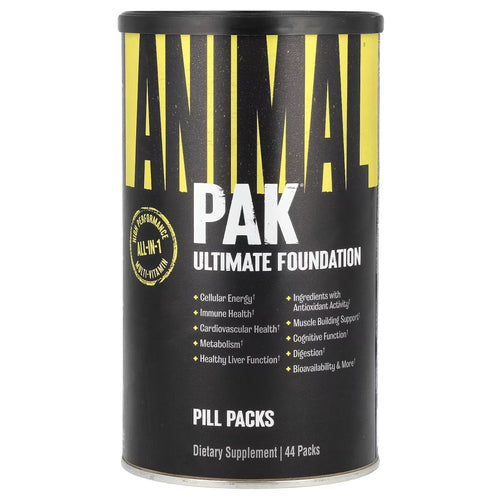
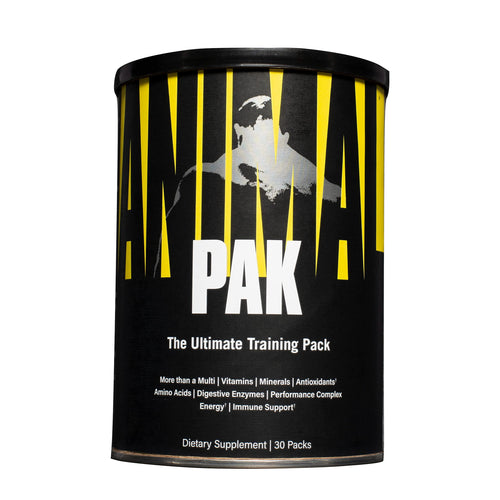 Universal Nutrition2 sizesFrom$99.95Save $60
$159.95 -
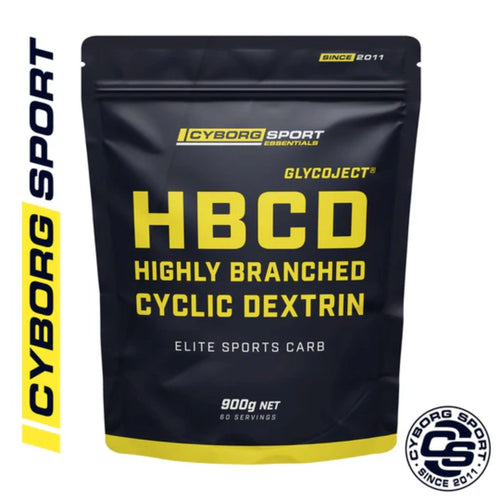
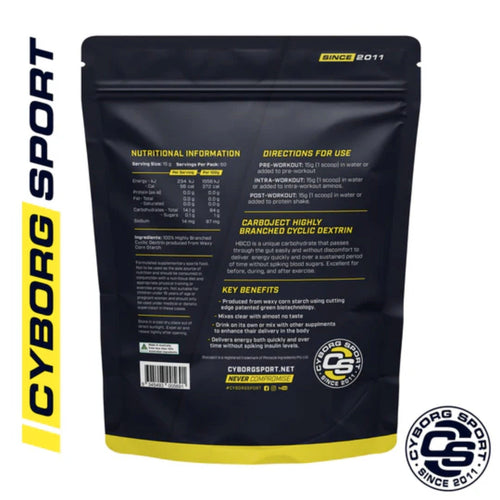 Cyborg Sports$69.95Save $10
$79.95







No products found for ""
Performance Supplements: buying guide
What the evidence says
The Australian Institute of Sport (AIS) sorts sports supplements into groups by strength of evidence. Group A, the strongest tier for specific sport situations, includes caffeine, beta-alanine, dietary nitrate (beetroot juice), sodium bicarbonate, creatine and glycerol, plus sports foods such as sports drinks, gels, electrolytes and protein supplements. Group C, where evidence shows no clear benefit for athletes, includes BCAAs and HMB. Supplements work best as an add-on: the NIH Office of Dietary Supplements stresses they add to, but do not replace, a sound diet.
The main types in this range
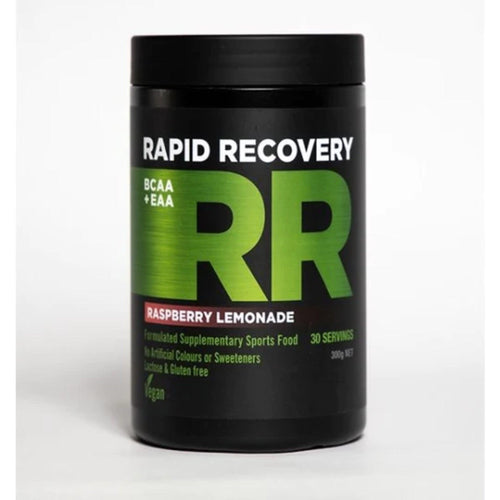
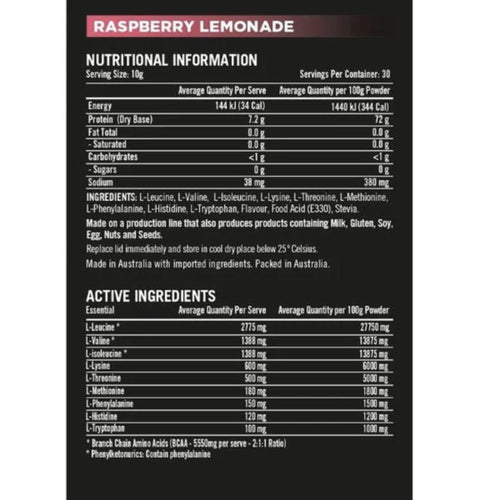
- Amino acid drinks. BCAAs are three essential amino acids: leucine, isoleucine and valine. EAA formulas include them alongside the other essential amino acids. Studies have not consistently shown that BCAA supplements improve performance, build muscle or speed recovery, so they matter less if you already eat enough protein.
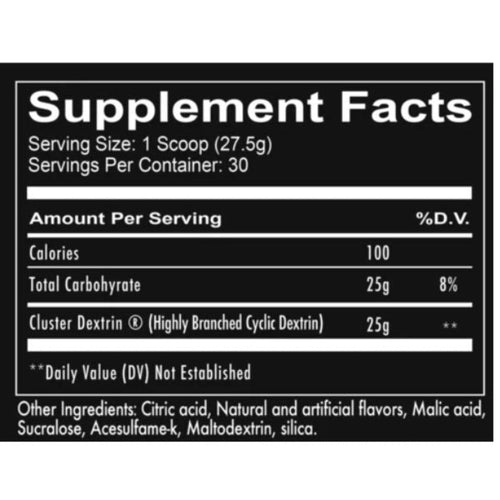
- Intra-workout carbohydrates. Products such as highly branched cyclic dextrin provide carbohydrate to sip during long sessions. Endurance athletes training for more than an hour may need extra carbohydrate for energy.
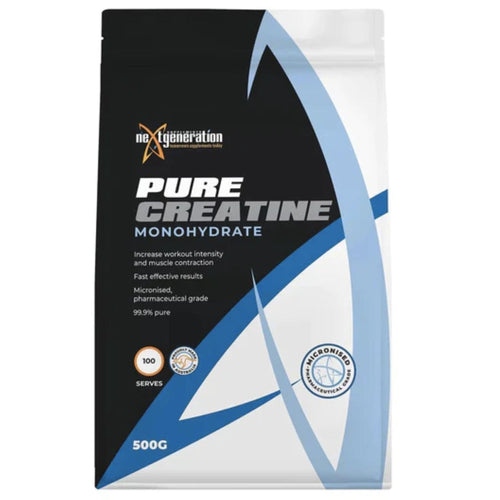
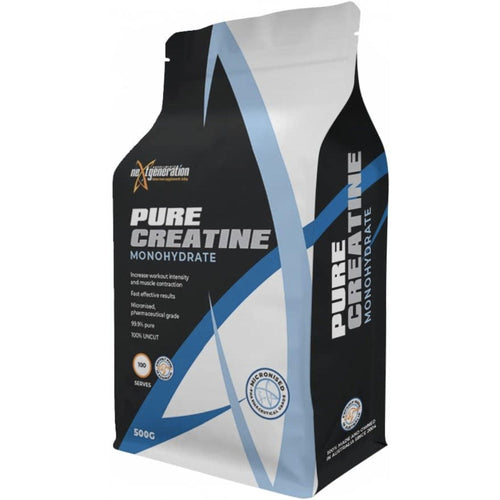
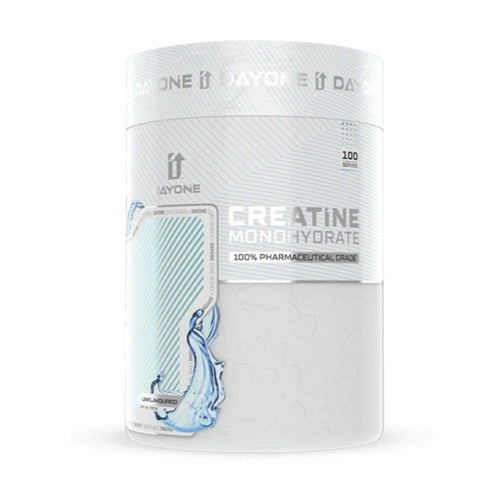
- Creatine. Supports repeated short, hard efforts. See our creatine guide.
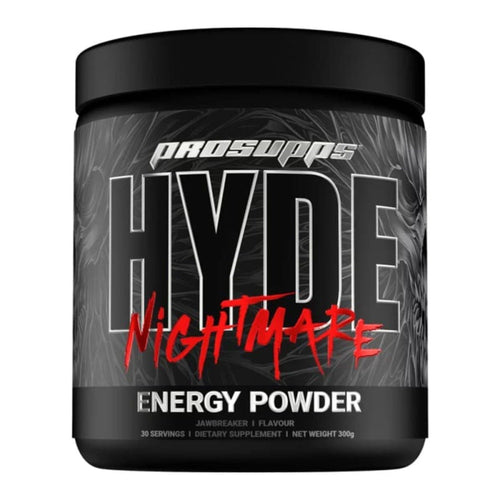
- Pre-workouts. Most are built around caffeine, which research has used at about 2 to 6 mg per kg of body weight, 15 to 60 minutes before exercise.
- Beetroot and nitrate. Beetroot juice has generally improved endurance time-trial performance in studies, with stronger effects in recreational than elite athletes. It can turn urine pink or red, which is harmless.
How to compare products
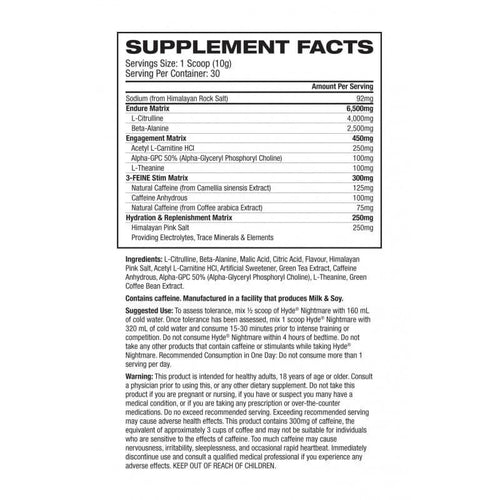
- Dose per serve. Compare each active ingredient with the amounts used in research, not with the claims on the front of the tub.
- Proprietary blends. These list ingredients by weight but not the amount of each, so you cannot tell whether a dose is meaningful.
- Caffeine and stimulants. Add up caffeine from every product you take that day, including coffee.
- Drug testing. The AIS places stimulants and other higher-risk ingredients in Group D, meaning banned or at high risk of contamination. If you compete in a drug-tested sport, choose batch-tested products (for example HASTA or Informed Sport certified) and check with your sport first.
Popular picks at Supps247
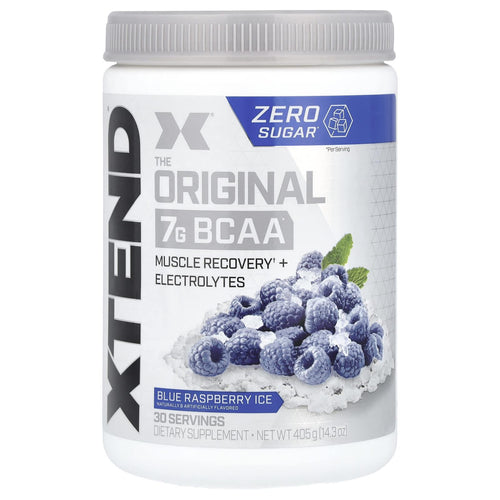
- Xtend Original BCAA by Scivation: the best-selling product in this range over the last six months.
- Cyborg Sport Glycoject HBCD 900 g: highly branched cyclic dextrin carbohydrate powder.
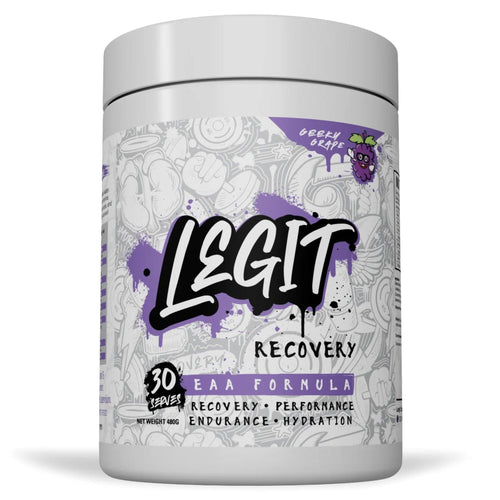
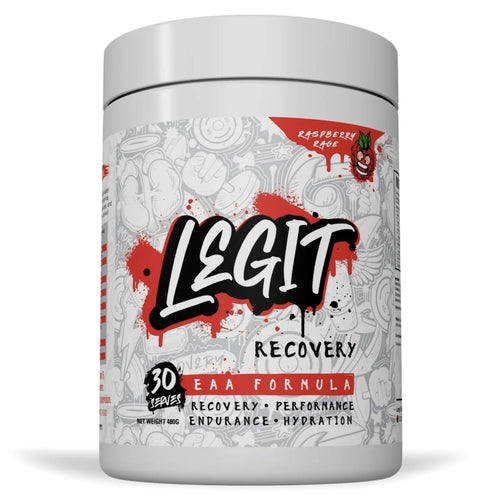
- Legit Recovery EAA Formula: an essential amino acid drink with 30 serves.
- Redcon1 Total War Pre-Workout: a 30-serve pre-workout.
- Horbaach Beet Root Capsules with Nitrates: 180 capsules, for people who would rather not drink beetroot juice.
Related categories
For narrower ranges, see performance boosters, pre-workouts, EAAs and carbohydrates.
Sources: AIS Sports Supplement Framework (ABCD system); NIH Office of Dietary Supplements: Dietary Supplements for Exercise and Athletic Performance.
Order online with Australia-wide delivery, free on orders of $100 or more, or visit a Supps247 store in Melbourne, regional Victoria or Brisbane to compare products in person before you buy. Members can use our price match guarantee on full-priced items.
Always read the label and follow the directions for use. If you have a medical condition, are pregnant or take regular medication, check with your doctor first.
Performance Supplements: questions and answers
Which performance supplements have the best evidence?
Are BCAAs worth taking?
What is the difference between BCAAs and EAAs?
Are performance supplements safe for drug-tested athletes?


