





Your cart
Order note
Order special instructions
Discount
Discount invalid. Please make sure the discount details are correct.
Free shipping code should be applied later on Checkout page.
Discount code is already applied.
Discount applied!
Beef Protein

Beef Protein
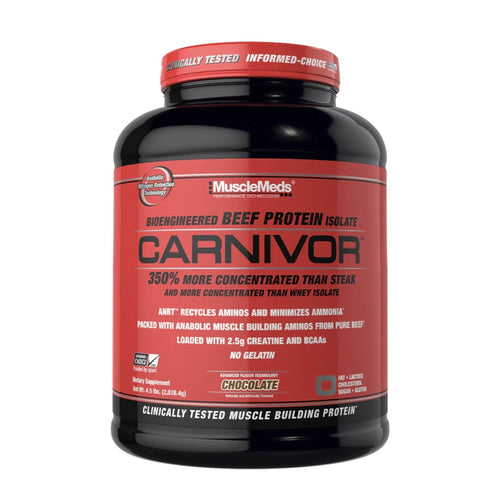
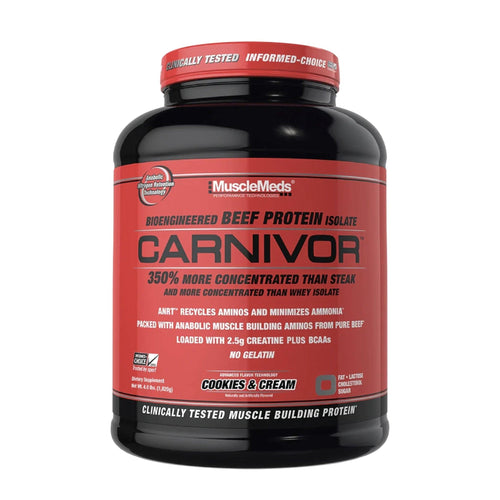
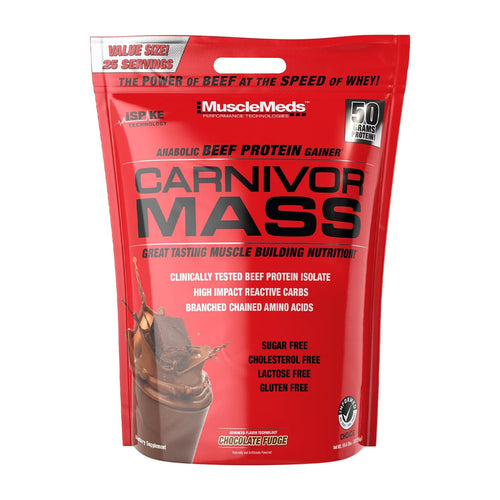
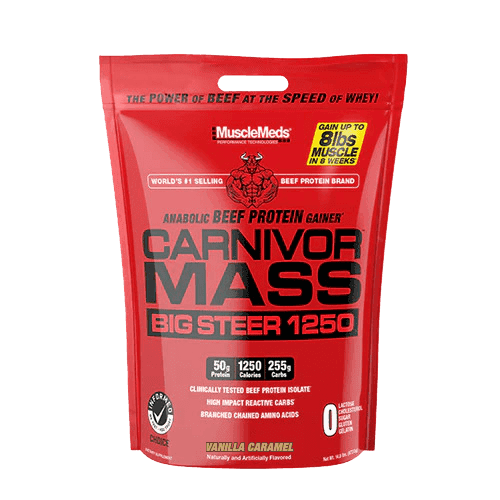
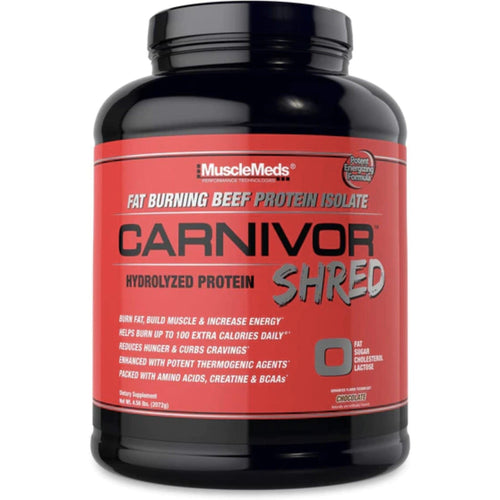
Beef protein powders are made from beef rather than milk, giving lifters a shake option that is not based on whey. This small collection features the MuscleMeds Carnivor range, including a beef protein isolate, a mass gainer, a hydrolysed shred formula and beef amino tablets, plus Cyborg Sports Collagen Pro, a hydrolysed collagen peptide protein.
Read the Beef Protein buying guideLoading brands...
-
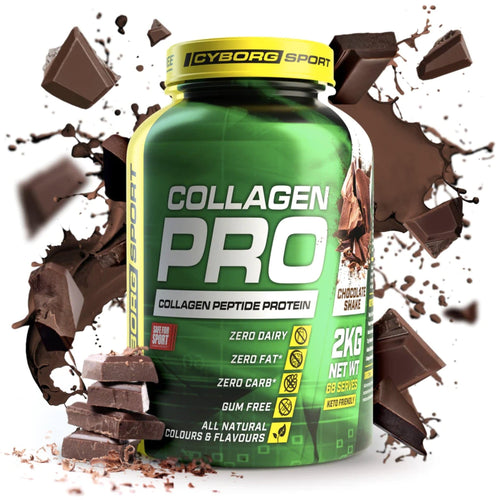 Cyborg Sports2 sizes · 7 flavoursFrom$89.95


No products found for ""
Beef Protein: buying guide
Who beef protein suits
Beef protein suits people who prefer to avoid whey, want a change from milk-based shakes or simply like the flavours. The Australian Institute of Sport places sports foods, including protein powders, in Group A of its supplement framework as a convenient option when everyday food is impractical. A 2018 meta-analysis of 49 trials found that protein supplements added modestly to gains in strength and muscle during resistance training, with no further benefit once total protein intake passed about 1.6 g per kg of body weight a day.
Beef protein isolate versus collagen
Check what a product is actually made from. Collagen lacks the amino acid tryptophan, so it is classed as an incomplete protein and is not a like-for-like swap for a complete protein powder. Collagen powders are still popular as an extra protein source, but if your goal is muscle, count your complete protein sources first.
How to compare products
- Protein per serve and per 100 g. This is the fairest way to compare value and quality.
- Product type. Isolates are low in carbs and fat; gainers add carbohydrate and kilojoules; tablets suit people who prefer not to drink shakes.
- Allergen statement. Beef protein is not made from milk, but check the label for dairy or other allergens if you have an allergy.
- Serves and scoop size. Compare serves per tub rather than tub weight.
- Batch testing. Athletes who are drug tested should choose batch-tested products and check with their sport.
How to use beef protein
Follow the label. Use a shake to help reach your daily protein target, for example after training or as a snack. Read our guide to building muscle with protein for meal ideas.
Popular picks at Supps247
- Cyborg Sport Collagen Pro: a hydrolysed collagen peptide protein in a 2 kg bag.
- MuscleMeds Carnivor Beef Protein Isolate: a beef protein isolate powder.
- MuscleMeds Carnivor Mass: a beef protein gainer, 25 servings.
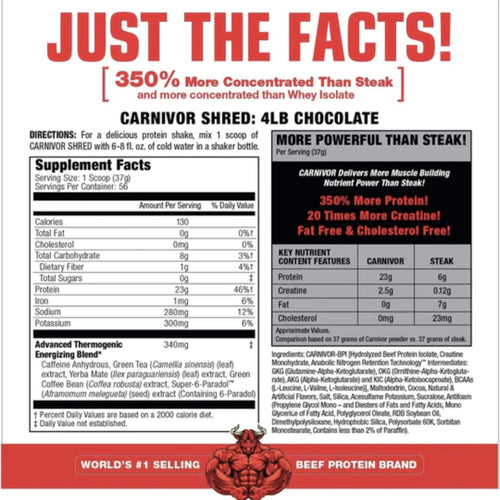
- MuscleMeds Carnivor Shred: a hydrolysed beef protein isolate.
- MuscleMeds Carnivor Beef Aminos: 300 tablets.
Related categories
Sources: Morton et al. 2018, Br J Sports Med; Paul et al. 2019, Nutrients; AIS Sports Supplement Framework: Group A.
Order online with Australia-wide delivery, free on orders of $100 or more, or visit a Supps247 store in Melbourne, regional Victoria or Brisbane to compare products in person before you buy. Members can use our price match guarantee on full-priced items.
Always read the label and follow the directions for use. If you have a medical condition, are pregnant or take regular medication, check with your doctor first.
Beef Protein: questions and answers
How much protein do I need to build muscle?
Is collagen a complete protein?
Is beef protein powder dairy-free?
Are protein powders backed by evidence?
Where can I buy beef protein in Melbourne or online?
What is the best beef protein powder in Australia?
What are the benefits of beef protein?
Does beef protein work as well as whey?
Is beef protein safe, and does it have side effects?
How do I take beef protein?
Is beef protein a good paleo protein powder?


