



Your cart
Order note
Order special instructions
Discount
Discount invalid. Please make sure the discount details are correct.
Free shipping code should be applied later on Checkout page.
Discount code is already applied.
Discount applied!
Antioxidants

Antioxidants
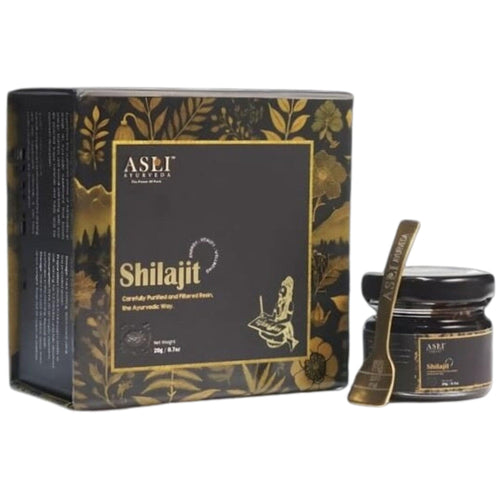
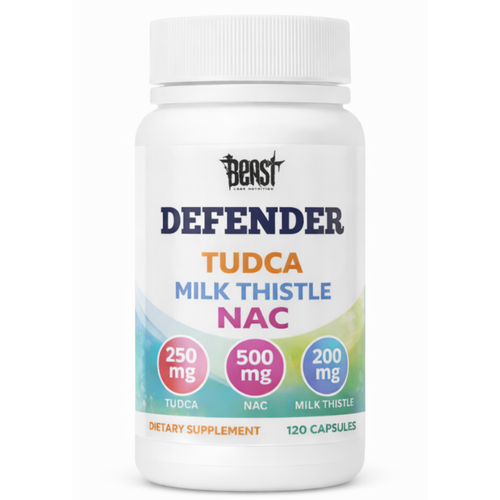
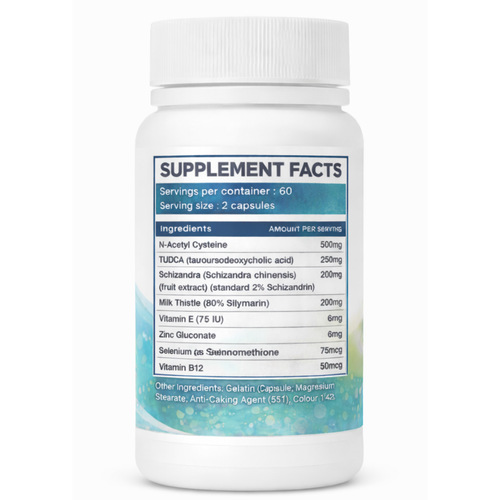
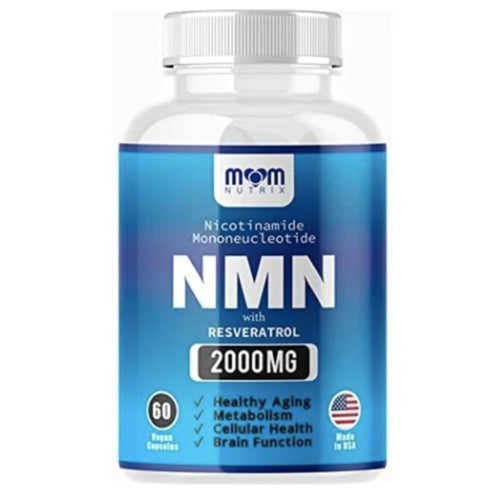
Antioxidant supplements contain nutrients and plant compounds with antioxidant activity, such as vitamin C, vitamin E, N-acetyl cysteine (NAC), resveratrol and green tea extract. This collection also includes greens powders and multi-ingredient wellness formulas. You will find options from NOW Foods, Nutrivein, Beast Labs Nutrition, Horbaach and Ghost, in capsules, tablets and powders.
Read the Antioxidants buying guideLoading brands...





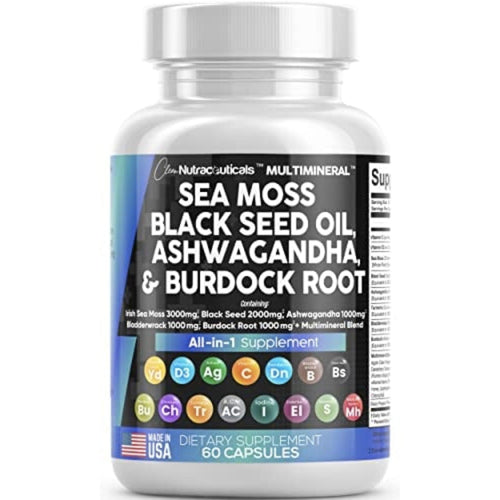
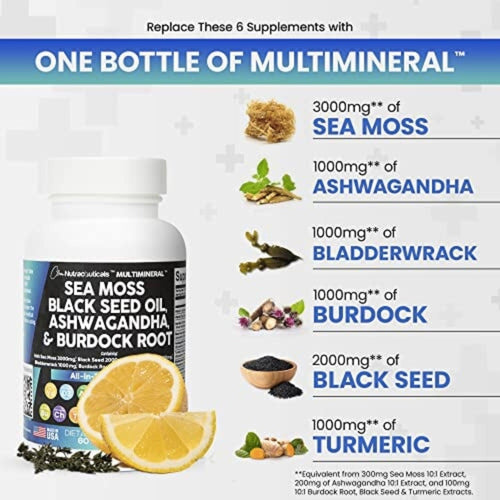


No products found for ""
Antioxidants: buying guide
What antioxidants do, and what supplements can't
Normal cell activity produces reactive oxygen substances, and when they build up the result is called oxidative stress. The US National Center for Complementary and Integrative Health (NCCIH) notes that the body's own antioxidant enzymes are the main defence. Diets rich in fruit and vegetables are linked with lower rates of chronic disease, but antioxidant supplements have generally not been shown to deliver the same benefit, so they should sit alongside a good diet, not replace it. Some nutrients still have clear jobs: vitamin C, for example, is needed to make collagen.
Antioxidants and training
More is not always better if you train. In studies summarised by the NIH Office of Dietary Supplements, high doses of vitamins C and E reduced markers of mitochondrial adaptation, and in one strength study they reduced gains in arm strength. The Australian Institute of Sport (AIS) places vitamin C and NAC in Group B (emerging evidence) and vitamin E in Group C (no proven benefit for athletes).
How to compare antioxidant products
- Dose per serve. Check the amount of each ingredient against upper limits. The US upper limit for vitamin C is 2,000 mg a day from all sources.
- Single ingredient or blend. Proprietary blends often hide individual amounts, which makes products hard to compare.
- Overlap. Greens powders, multivitamins and liver formulas can repeat the same nutrients, so add up your total.
Safety
High-dose vitamin C can cause diarrhoea, nausea and stomach cramps. High-dose vitamin E may raise bleeding risk and interact with blood-thinning medicines. Antioxidants may also interfere with chemotherapy and radiation, so anyone in cancer treatment should check with their care team first.
Popular picks at Supps247
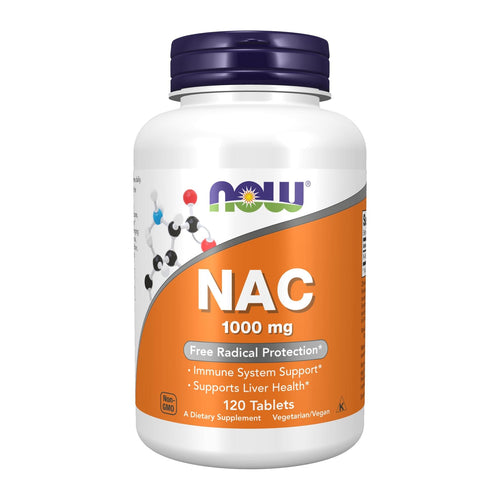
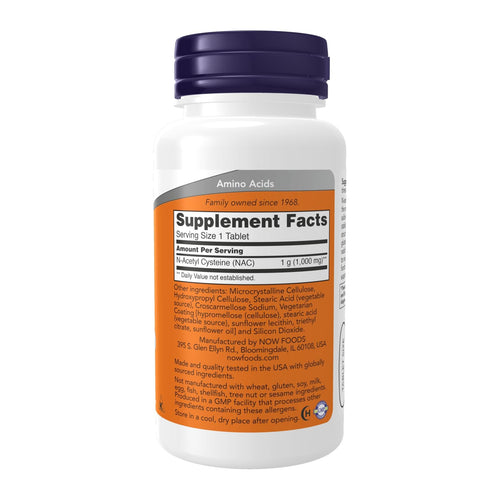
- NAC 1000 mg by NOW Foods: 1,000 mg N-acetyl cysteine, an AIS Group B ingredient.
- Vitamin C-1000 by NOW Foods: a 1,000 mg vitamin C format, half the US adult upper limit.
- EGCG Green Tea Extract by Horbaach: a green tea extract that names EGCG on the label.
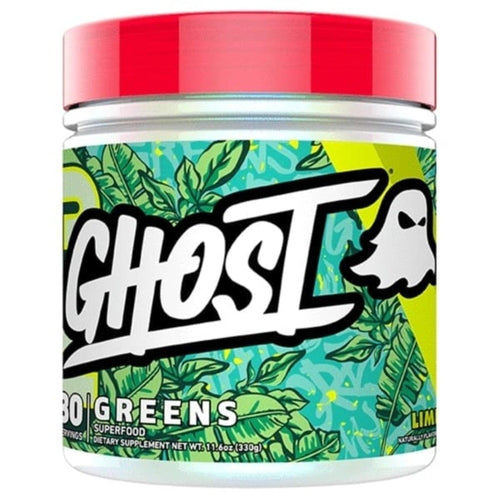
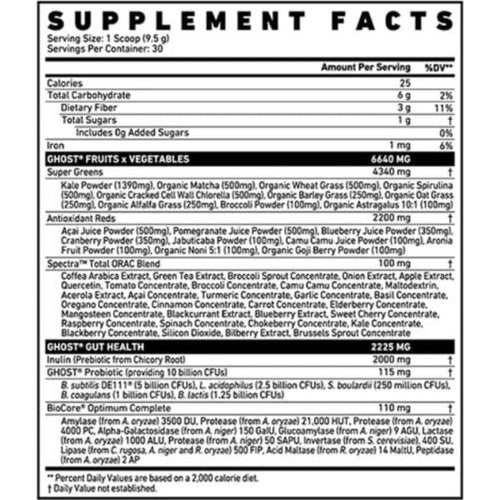
- Ghost Greens by Ghost Lifestyle: a greens powder for people who prefer a drink to capsules.
- Nutrivein Resveratrol 1450mg: a resveratrol capsule.
Related categories
Sources: NCCIH: Antioxidant Supplements, What You Need To Know; NIH ODS: Dietary Supplements for Exercise and Athletic Performance; AIS Supplement Framework.
Order online with Australia-wide delivery, free on orders of $100 or more, or visit a Supps247 store in Melbourne, regional Victoria or Brisbane to compare products in person before you buy. Members can use our price match guarantee on full-priced items.
Always read the label and follow the directions for use. If you have a medical condition, are pregnant or take regular medication, check with your doctor first.
Antioxidants: questions and answers
Do antioxidant supplements actually work?
Should I take vitamin C and E after training?
How much vitamin C is too much?
Can antioxidant supplements interact with medicines?
What is glutathione?
What is astaxanthin?


