
Ashwagandha

Search
Sort by

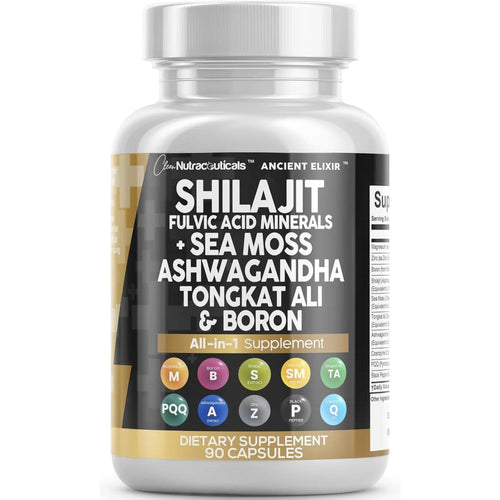
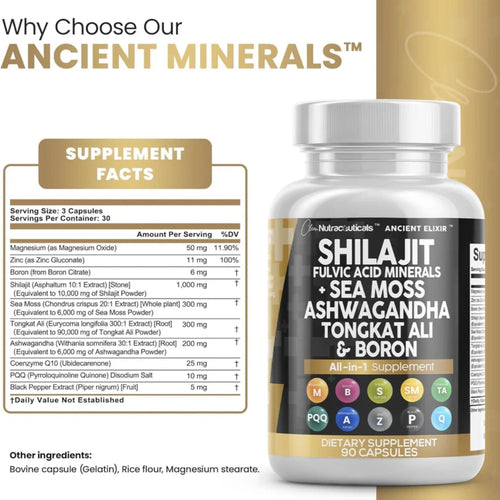
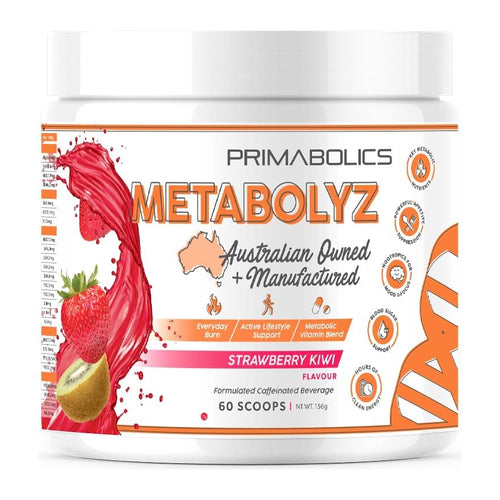
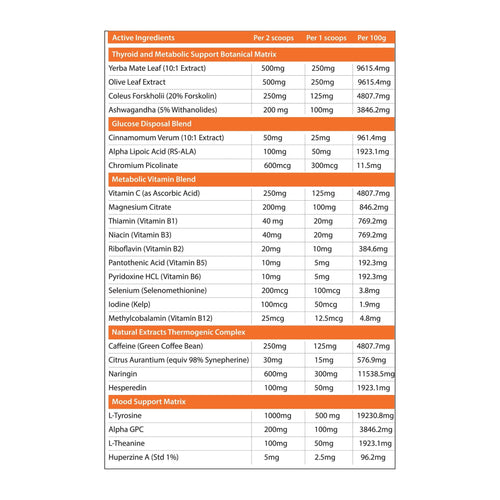
Ashwagandha (Withania somnifera) is a plant whose root extract is sold as a herbal supplement, most often for stress and sleep support. This range includes single-ingredient root extracts such as KSM-66, plus blends that pair ashwagandha with magnesium, L-theanine or other herbs, from brands including Beast Labs Nutrition, Allmax, Horbaach, Primabolics and Switch Nutrition.

Read the Ashwagandha buying guide
Search

No products found for ""

Ashwagandha: buying guide

What the research says

Ashwagandha has been studied mainly for stress and sleep in adults. According to the NIH Office of Dietary Supplements, research suggests ashwagandha extracts may help lower feelings of stress and cortisol levels, and a small number of studies suggest possible benefits for sleep quality and how quickly people fall asleep. The NIH also stresses the limits: the studies used different preparations and doses, and most were small and short.

In stress studies, doses ranged from 240 to 1,250 mg of extract a day, and several found larger effects at 500 to 600 mg a day. Sleep studies mostly used 250 to 600 mg of root extract a day for 6 to 12 weeks.

Root extract, powder or blend?

  • Standardised root extracts. Most supplements use root extract, often standardised to a set amount of withanolides, the compounds thought to be among the active ones. These are closest to what was used in research.
  • Root and leaf extracts. Some branded extracts combine root and leaf, and were tested at different doses.
  • Plain powder. Ground ashwagandha powder is less concentrated than an extract, so serves are not directly comparable with studies.
  • Blends. Combination formulas add ingredients such as magnesium, L-theanine or other herbs. Check how much ashwagandha each serve provides.

How to compare products

  • Look for the extract name and the withanolide standardisation on the label.
  • Compare milligrams of extract per serve with the 250 to 600 mg range used in most studies.
  • Count capsules per serve and serves per bottle to compare value.

Safety

The most common side effects are mild: stomach upset, loose stools, nausea and drowsiness. There are a few reports of more serious effects on liver function, often in people taking other products as well, so stop and see your doctor if you notice yellowing of your skin or eyes. Ashwagandha may also interact with some medicines; see the FAQ below for who should check first.

Popular picks at Supps247

Related categories

Browse anti-stress, sleep support, magnesium and herbal supplements.

Sources: NIH Office of Dietary Supplements: Ashwagandha; NCCIH: Ashwagandha.

Order online with Australia-wide delivery, free on orders of $100 or more, or visit a Supps247 store in Melbourne, regional Victoria or Brisbane to compare products in person before you buy. Members can use our price match guarantee on full-priced items.

Always read the label and follow the directions for use. If you have a medical condition, are pregnant or take regular medication, check with your doctor first.

Ashwagandha: questions and answers

Is it safe to take ashwagandha every day?
For healthy adults, daily use appears to be well tolerated for up to about 3 months, according to the NIH Office of Dietary Supplements. Its long-term safety over many months or years is not known, because studies have been short. Side effects are usually mild, such as stomach upset or drowsiness. If you plan to take it longer term, talk with your doctor or pharmacist.
How long does ashwagandha take to work?
Studies have usually run for several weeks. Trials looking at stress typically lasted 6 to 8 weeks, and sleep trials ran for 6 to 12 weeks, so research does not tell us much about short-term effects. Give a product a consistent trial at the label dose, and stop if you notice side effects.
What is KSM-66 ashwagandha?
KSM-66 is a branded ashwagandha root extract and one of several named extracts used in clinical trials, alongside others such as Sensoril and Shoden. Each is prepared and standardised differently, for example to a set amount of withanolides per capsule. A named, standardised extract makes it easier to compare a product with the doses used in research.
Who should not take ashwagandha?
The US NCCIH advises avoiding it during pregnancy and breastfeeding, and advises against it for people with autoimmune or thyroid conditions or who are having surgery. It may interact with medicines for diabetes, blood pressure, seizures and thyroid conditions, plus sedatives and immune-suppressing drugs, so check with your doctor first. Denmark banned ashwagandha in 2023, and France advises some groups, including pregnant women, not to use it.
Where can I buy ashwagandha in Melbourne?
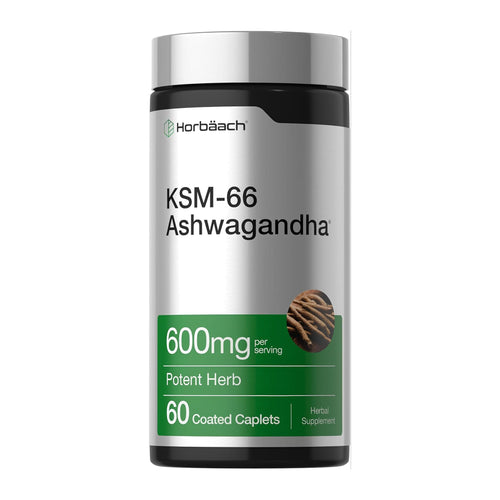
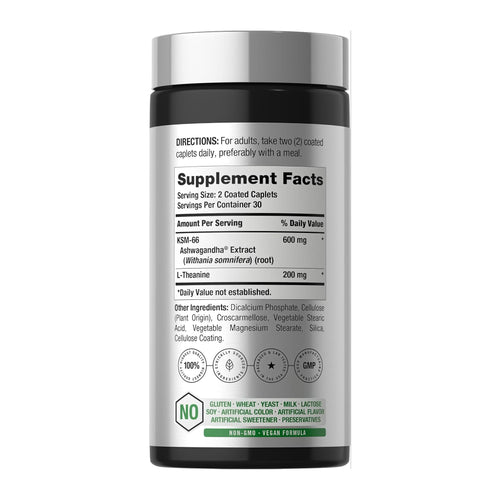
Supps247 sells ashwagandha online and in Melbourne stores such as Caroline Springs, Chirnside Park and Carrum Downs. Popular options include Beast Labs Nutrition Ashwagandha 600 mg, Allmax Essentials Ashwagandha KSM-66, NOW Foods KSM-66 Ashwagandha and Horbaach KSM-66 with L-theanine. When comparing in store or online, look for the extract name and milligrams per capsule on the label. Stock varies by store, so check the product page or call first. Online orders ship Australia-wide, usually in 2 to 8 business days.
Is ashwagandha good for men?
It may help some men, but the evidence is limited. The US NCCIH says a few studies suggest that taking ashwagandha for 2 to 4 months may raise testosterone and improve sperm quality, and the NIH notes it might increase testosterone levels. That same effect is why men with hormone-sensitive prostate cancer should avoid it. If you think your testosterone is low, see your GP, who can check it with a blood test. For a simple single-ingredient option, Beast Labs Nutrition Ashwagandha 600 mg lists 600 mg of extract standardised to 5% withanolides per capsule.
How should a beginner start taking ashwagandha?
Keep it simple. Choose a single-ingredient root extract that states the milligrams and withanolide content, such as Allmax Essentials Ashwagandha KSM-66 (600 mg per two-capsule serve), rather than a multi-herb blend. Take the label dose every day and give it several weeks, because most studies ran for 6 to 12 weeks. Ask your pharmacist first if you take regular medication, and stop if you notice side effects. To compare labels in person, use our store finder to find a Supps247 store near you, or read our ashwagandha buying guide.
Can ashwagandha help you sleep?
Possibly, a little. The NIH Office of Dietary Supplements reports a 2021 meta-analysis of five studies, using 250 to 600 mg a day, that found a small but significant improvement in sleep. Effects were stronger at 600 mg a day and in people with insomnia. The trials were short, so longer-term effects are unknown. Ashwagandha is not a sedative medicine, and trouble sleeping that lasts more than a few weeks is worth raising with your GP. Some evening blends in our sleep support range already contain ashwagandha, so check labels to avoid doubling up.
Should I take ashwagandha in the morning or at night?
Research has not shown a best time of day. Trials have used one or two doses a day, and timing was not what they were testing. Because drowsiness is one of the more common side effects listed by the NIH, some people prefer to take it in the evening. Others split the dose: the directions for Allmax Essentials Ashwagandha KSM-66, for example, say one capsule in the morning and one in the evening with meals. Whichever you choose, take it at a similar time each day and stay within the label dose.
What is the liver warning about ashwagandha?
The TGA has issued safety alerts about products containing Withania somnifera (ashwagandha). It says the risk appears to be very rare, but there is a potential for liver injury. Stop taking it and seek medical attention if you notice yellowing of the skin or eyes, dark urine, nausea, vomiting, unusual tiredness, stomach pain or loss of appetite. The TGA also advises people who have, or have had, liver problems to avoid it. Some reported cases involved products bought online from overseas, which the TGA does not regulate for quality, so buy from a retailer you trust.
Are ashwagandha gummies as good as capsules?
A gummy is just another format, so what matters is how much ashwagandha each serve contains. Most studies used 250 to 600 mg of extract a day, and gummy blends can contain much less. For example, Pure Himalayan Shilajit Gummies Gold list 40 mg of ashwagandha extract per two-gummy serve, alongside shilajit and other herbs. Our ashwagandha range is mostly capsules and tablets, plus HHS Ashwagandha 60g, a chocolate-flavoured powder you mix as a drink. Whatever the format, compare milligrams of extract per serve.

You Might Also Like