



Your cart
Order note
Order special instructions
Discount
Discount invalid. Please make sure the discount details are correct.
Free shipping code should be applied later on Checkout page.
Discount code is already applied.
Discount applied!
Anti-Inflammatory

Anti-Inflammatory
This collection groups ingredients people often look for when they want to support recovery, joint comfort and general health, such as fish oil, turmeric and curcumin, glucosamine, NAC and quercetin. You will find capsules, softgels and powders from Condemned Labz, NOW Foods, Universal Nutrition, EVLution Nutrition and Renew Actives.
Read the Anti-Inflammatory buying guideLoading brands...
-
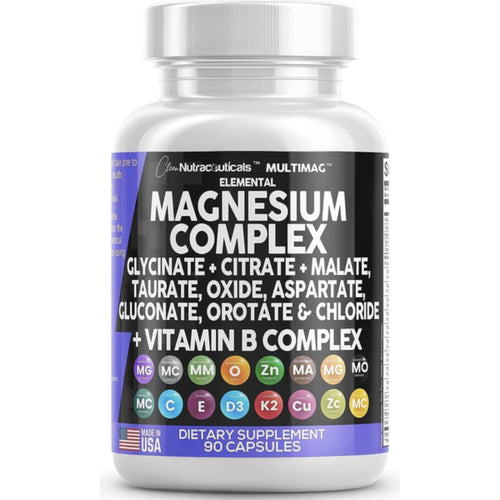 Nutraco
Magnesium Complex 2285mg with Glycinate Citrate Malate Oxide Taurate Aspartate - 90 Count by Nutraco
$119.95Save $20$139.95









No products found for ""
Anti-Inflammatory: buying guide
Set realistic expectations
Supplements cannot treat inflammatory conditions, and the evidence for most of these ingredients in healthy, active people is still developing. If you have ongoing pain, swelling or stiffness, see a doctor or physio for a diagnosis first.
Common ingredients and what the evidence says
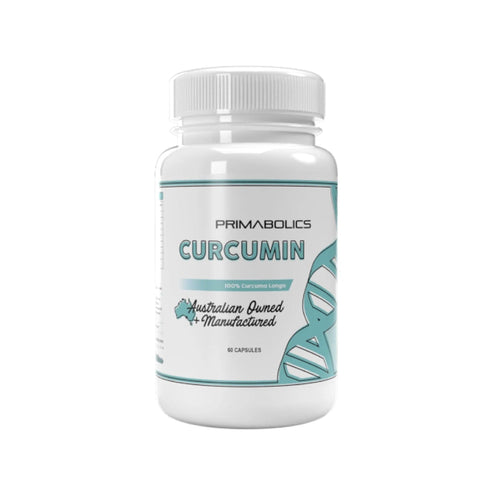
- Turmeric and curcumin. The US National Center for Complementary and Integrative Health (NCCIH) says there is not enough evidence to conclude that turmeric or curcumin helps for any health purpose, although early studies on joint pain are promising. Curcumin is poorly absorbed on its own, which is why many products add piperine from black pepper.
- Fish oil. The US NIH Office of Dietary Supplements (NIH ODS) says some trials suggest omega-3 supplements may help people with joint symptoms, but it is not clear whether they reduce joint pain, swelling or stiffness. The Australian Institute of Sport (AIS) lists fish oils and N-acetyl cysteine (NAC) in Group B: emerging evidence that deserves further research.
- Glucosamine and chondroitin. NCCIH says it is still uncertain whether they help joint symptoms, as study results have been inconsistent.
How to compare products
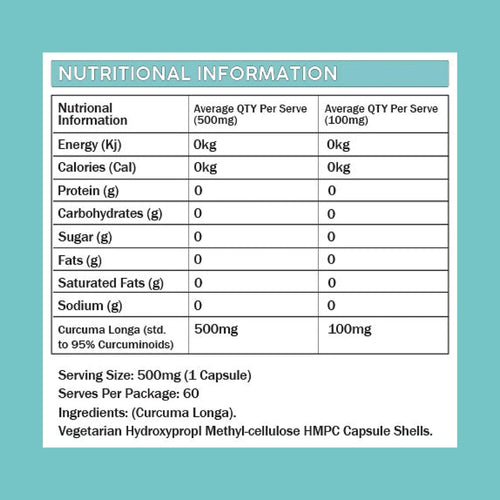
- For turmeric, check how much curcumin each serve provides, not just the turmeric root weight, and whether it includes an absorption enhancer.
- For fish oil, compare EPA and DHA per serve.
- For joint formulas, check the amount of each ingredient rather than a combined total.
Safety
NCCIH reports liver damage in some people who took highly absorbable curcumin formulations. Stop and see your doctor if you notice tiredness, nausea, dark urine or yellowing of the skin. NCCIH also says turmeric supplements may be unsafe in pregnancy. High-dose omega-3s may cause bleeding problems with warfarin, and glucosamine and chondroitin have been linked to a higher bleeding risk in people taking warfarin, so check with your doctor if you take a blood thinner.
Popular picks at Supps247
- Renew Actives Double Strength Organic Turmeric + Black Pepper: organic turmeric with black pepper, labelled double strength.
- Condemned Labz Fish Oil: fish oil softgels for daily use.
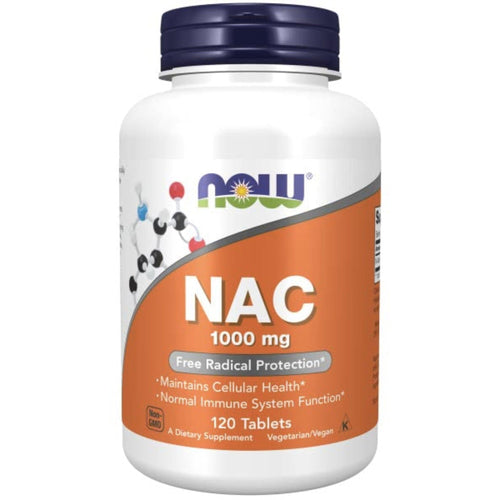
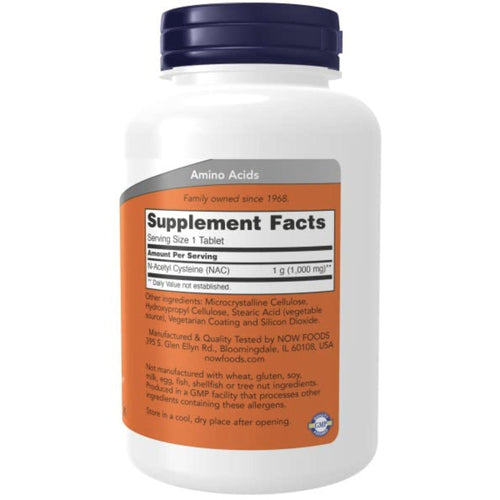
- NOW Foods NAC 1000 mg: N-acetyl cysteine in tablet form.
- EVLution Nutrition Turmeric Curcumin: turmeric curcumin with BioPerine black pepper extract.
- Piping Rock Glucosamine Chondroitin: glucosamine and chondroitin with turmeric and MSM, 180 count.
Related categories
See joint support, fish oil, recovery and antioxidant supplements.
Sources: NCCIH: Turmeric; NIH ODS: Omega-3 fatty acids; NCCIH: Glucosamine and chondroitin.
Order online with Australia-wide delivery, free on orders of $100 or more, or visit a Supps247 store in Melbourne, regional Victoria or Brisbane to compare products in person before you buy. Members can use our price match guarantee on full-priced items.
Always read the label and follow the directions for use. If you have a medical condition, are pregnant or take regular medication, check with your doctor first.
Anti-Inflammatory: questions and answers
Is turmeric worth taking?
Why do turmeric supplements contain black pepper?
Is fish oil good for joints?
Is glucosamine safe to take every day?


