





Your cart
Order note
Order special instructions
Discount
Discount invalid. Please make sure the discount details are correct.
Free shipping code should be applied later on Checkout page.
Discount code is already applied.
Discount applied!
Protein Bars

Protein Bars
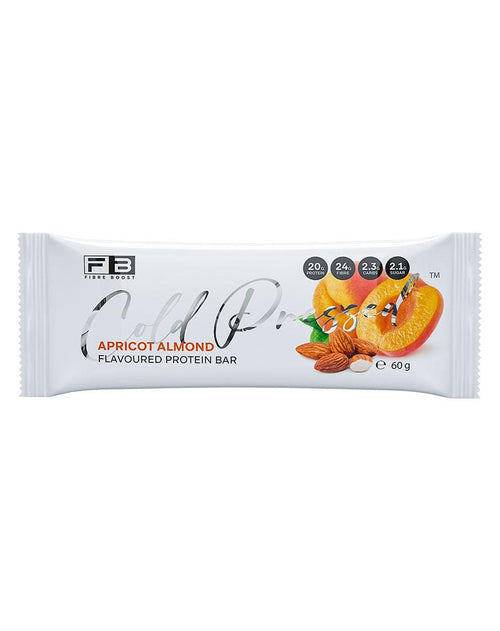
Protein bars are ready-to-eat snacks that add protein between meals, after training or on busy days. Supps247 currently stocks Fibre Boost cold-pressed protein bars, which list around 21 g of protein and 27 g of fibre in a 60 g bar, across a long list of flavours. Here is how to compare bars and fit one into your day.
Read the Protein Bars buying guide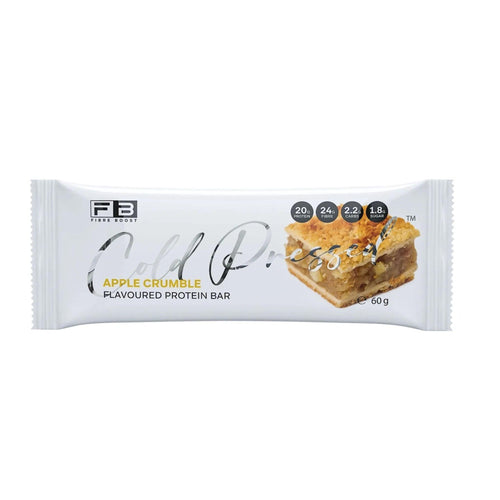
No products found for ""
Protein Bars: buying guide
When a protein bar makes sense
The Australian Institute of Sport (AIS) lists sports bars and protein supplements as Group A sports foods. Its fact sheet on mixed macronutrient products says bars are most useful when appetite is low after training, when whole foods are hard to store or prepare, or when travelling. It also notes that whole foods are usually more cost-effective and provide a wider range of nutrients, so a bar works best as a convenient extra, not your main source of protein. The International Society of Sports Nutrition suggests about 20 to 40 g of protein per serve, spread every 3 to 4 hours, which puts a 21 g bar at the lower end of a useful serve.
How to compare protein bars
- Protein per bar and source. Fibre Boost lists whey protein isolate and milk protein isolate.
- Fibre. Better Health Channel recommends about 30 g of fibre a day for men and 25 g for women, and notes most Australians eat around 20 to 25 g. A bar with 27 g is close to a full day's target on its own.
- Sweeteners. Some high-protein bars use sugar alcohols, which the AIS notes can upset some people's stomachs. Fibre Boost lists steviol glycosides (from stevia).
- Allergens. Bars often contain milk, nuts or gluten. Fibre Boost lists milk proteins and almonds and is described as gluten free.
- Energy. Check kilojoules per bar if you are managing your weight.
Fitting a high-fibre bar into your day
If your usual diet is lower in fibre, start with one bar and drink plenty of water. Better Health Channel advises increasing fibre slowly, because a sudden jump can cause abdominal pain and wind, and fibre without enough fluid can lead to constipation. Values vary slightly between flavours, so check the wrapper of the one you buy.
Popular pick at Supps247
- Protein Bars by Fibre Boost: about 21.6 g protein and 27 g fibre per 60 g bar, sweetened with steviol glycosides.
Related categories
Sources: Mr Supplement: Fibre Boost Cold Pressed Protein Bar (nutrition panel); Better Health Channel: Fibre in food; AIS Fact Sheet: Mixed Macronutrient Supplements.
Order online with Australia-wide delivery, free on orders of $100 or more, or visit a Supps247 store in Melbourne, regional Victoria or Brisbane to compare products in person before you buy. Members can use our price match guarantee on full-priced items.
Always read the label and follow the directions for use. If you have a medical condition, are pregnant or take regular medication, check with your doctor first.
Protein Bars: questions and answers
Can I eat a protein bar instead of a meal?
How many protein bars can I eat a day?
Is a protein bar good after a workout?
Why do some protein bars upset my stomach?


