





Your cart
Order note
Order special instructions
Discount
Discount invalid. Please make sure the discount details are correct.
Free shipping code should be applied later on Checkout page.
Discount code is already applied.
Discount applied!
Skin Health

Skin Health
Skin Health brings together supplements people take alongside a good skincare routine: collagen peptide powders, zinc, vitamins A and E, omega-3 oils and herbal formulas, plus one topical serum. Brands include Rapid Supplements, Primabolics, ATP Science, NOW Foods, Rule 1 and Cyborg Sports. This guide explains what the research says so you can set realistic expectations.
Read the Skin Health buying guideLoading brands...
-
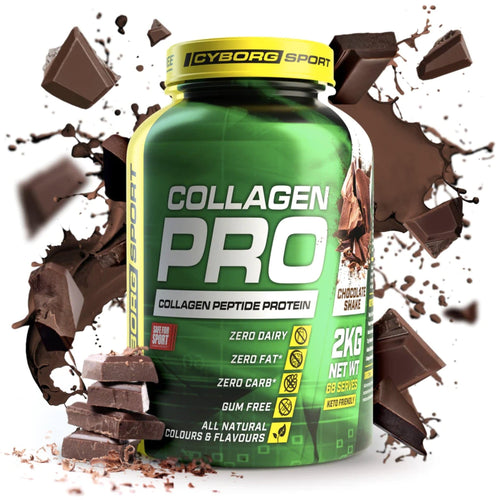 Cyborg Sports2 sizes · 7 flavoursFrom$89.95
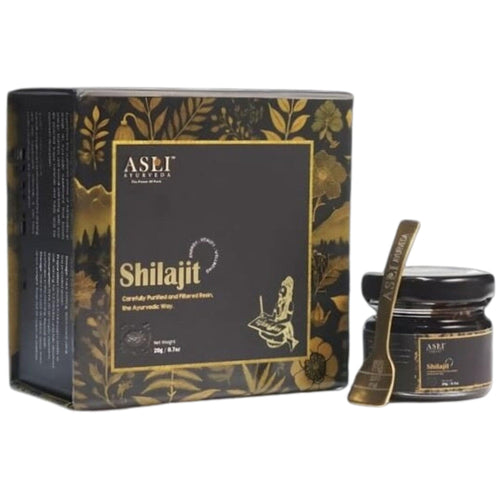
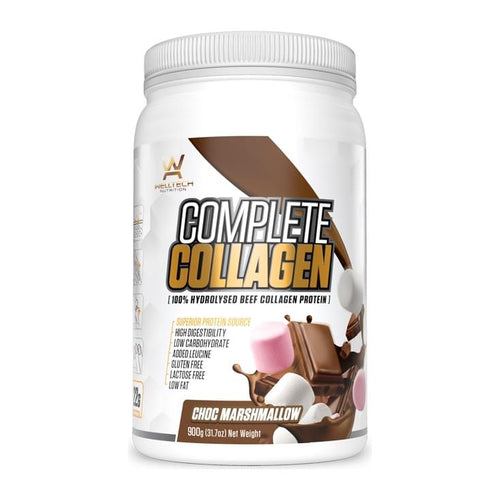
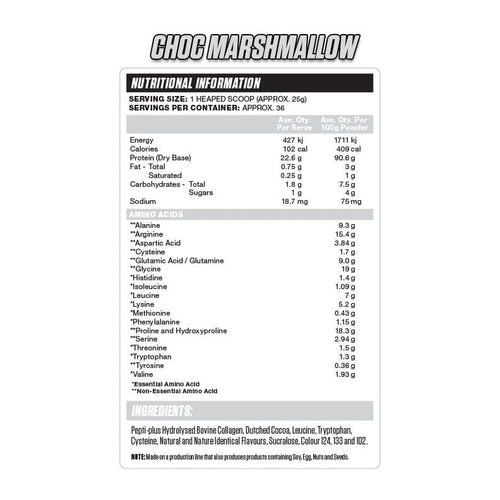








No products found for ""
Skin Health: buying guide
Collagen: what the evidence says
Collagen peptides are the most researched skin supplement, but the picture is mixed. A 2021 meta-analysis of 19 trials reported better skin hydration, elasticity and wrinkle scores after about 90 days of hydrolysed collagen. A 2025 meta-analysis of 23 trials, co-authored at Monash University, found that the positive results came from industry-funded and lower-quality studies, while independent and high-quality studies showed no significant effect. Collagen is also an incomplete protein because it lacks the amino acid tryptophan, so it does not replace a regular protein powder.
Vitamins and minerals
- Zinc helps the body make proteins and DNA and helps wounds heal. The adult upper limit is 40 mg a day from all sources, and long-term high intakes can lower copper levels and immunity.
- Vitamin A is needed for normal vision, immune function and growth. The upper limit for preformed vitamin A is 3,000 mcg a day for adults, and high doses in pregnancy can cause birth defects.
- Omega-3 oils and vitamin E also appear in this range; check the dose per capsule and any multivitamin you already take.
How to compare products
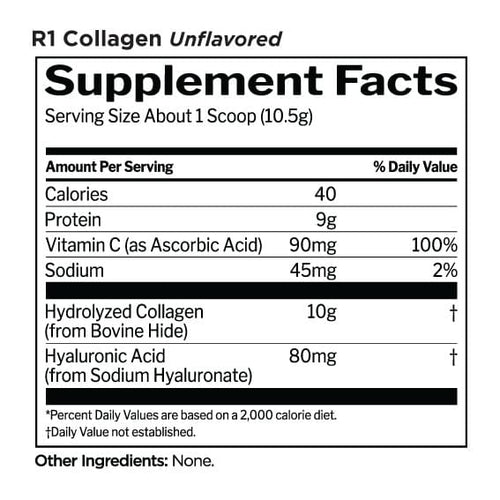
- Collagen per serve. Research has used about 2.5 to 15 g of collagen peptides a day. Check grams per scoop and whether it is hydrolysed.
- Source. Collagen may come from bovine, marine or mixed sources, which matters for allergies and dietary choices.
- Dose versus upper limits. Some zinc and vitamin A products sit at or above the upper limit per capsule.
- Oral or topical. The Ordinary Niacinamide Zinc Serum in this collection is applied to skin, not swallowed.
Safety
Pregnant or breastfeeding women should not take high-dose preformed vitamin A supplements. Vitamin A supplements can also interact with some prescription skin medicines made from vitamin A. Separate zinc from quinolone or tetracycline antibiotics by at least 2 hours before or 4 to 6 hours after. No supplement replaces daily sun protection.
Popular picks at Supps247
- Rapid Total Collagen Peptides: a collagen peptide powder and our top collagen seller here.
- Primabolics Collagen Complete Protein Water: a collagen protein water and hydration mix.
- NOWAY Collagen Protein by ATP Science: a collagen-based protein powder.
- R1 Multi Source Collagen by Rule One: collagen from multiple sources.
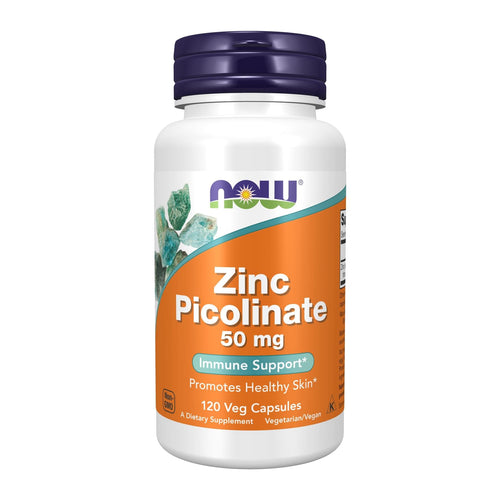
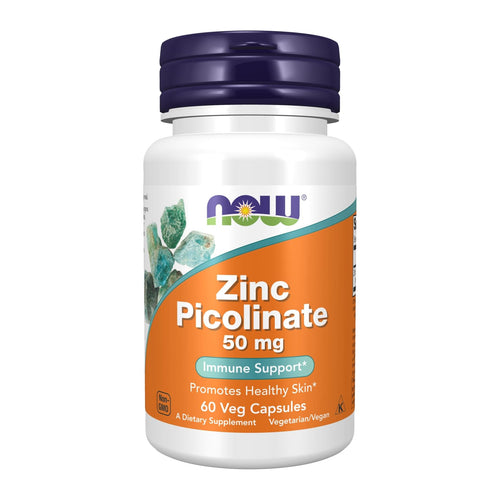
- NOW Foods Zinc Picolinate 50 mg: 50 mg per capsule, above the 40 mg daily upper limit, so check with your doctor before long-term use.
Related categories
Sources: Myung and Park 2025, Am J Med; de Miranda et al. 2021, Int J Dermatol; NIH ODS: Zinc.
Order online with Australia-wide delivery, free on orders of $100 or more, or visit a Supps247 store in Melbourne, regional Victoria or Brisbane to compare products in person before you buy. Members can use our price match guarantee on full-priced items.
Always read the label and follow the directions for use. If you have a medical condition, are pregnant or take regular medication, check with your doctor first.
Skin Health: questions and answers
Does collagen powder actually improve skin?
How much collagen should I take a day?
Can I take zinc every day for my skin?
Is vitamin A safe to take during pregnancy?
How long does collagen take to help skin?
Do you stock hyaluronic acid supplements?


