




Your cart
Order note
Order special instructions
Discount
Discount invalid. Please make sure the discount details are correct.
Free shipping code should be applied later on Checkout page.
Discount code is already applied.
Discount applied!
Clearance deals

$29.95$79.95-62%

$22.50$49.95-54%

$19.95$34.95-42%

$22.50$79.95-71%

$22.49$69.95-67%

$39.95$74.95-46%

$30$79.95-62%

$39.95$79.95-50%

$39.95$69.95-42%
Sports Gear

Sports Gear
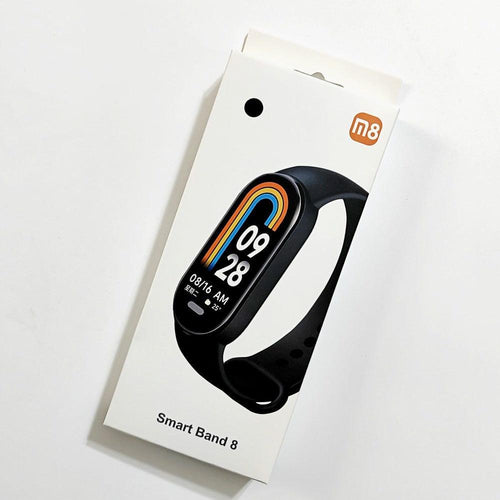
The Sports Gear collection covers wearable tech for training. Right now it holds one product, the Smart Band 8 fitness bracelet, a wrist-worn tracker for logging workouts and daily activity. Below is what fitness bands measure well, where their numbers are only estimates, and what to check before you buy one for the gym, running or everyday use.
Read the Sports Gear buying guide
No products found for ""
Sports Gear: buying guide
What a fitness band can and can't tell you
A 2020 systematic review of 158 studies on consumer wearables found that steps were measured accurately by several brands in laboratory settings. Heart rate was more variable: some brands were close to reference measures, while others tended to underestimate. For energy expenditure (calories burned), none of the brands studied were accurate. The review also noted that accuracy varies by manufacturer and model, and that devices are updated faster than research can keep up.
In practice that means:
- Step counts are useful for tracking daily movement and spotting trends.
- Heart rate is a helpful guide to effort, especially during steady cardio, but treat single readings with caution.
- Calorie burn is a rough estimate. Don't use it to decide exactly how much extra to eat.
What to check before you buy
- Phone compatibility: make sure the companion app works with your phone's operating system.
- Battery life and charging: longer battery life means fewer gaps in your sleep and activity data.
- Water resistance: if you swim, check the water rating and whether swim tracking is supported.
- Workout modes: look for the activities you actually do, such as running, cycling or strength training.
- Comfort and display: you will wear it all day and overnight, so the strap and screen brightness matter.
- Privacy: read what data the app collects and which permissions it asks for.
Getting useful data from a tracker
Wear the band on the same wrist, snug but comfortable, especially during exercise when heart rate is being read. Compare your numbers week to week rather than day to day, and use them alongside how you feel, your training log and body weight trends. A tracker is a motivation and habit tool first; it does not replace a coach, a training plan or medical advice.
Products in this range
- Smart Band 8 Smart Fitness Bracelet: a wrist-worn fitness tracker; check the listing for workout modes, water rating and battery life.
Related categories
Sources: Fuller et al. 2020, Reliability and Validity of Commercially Available Wearable Devices.
Order online with Australia-wide delivery, free on orders of $100 or more, or visit a Supps247 store in Melbourne, regional Victoria or Brisbane to compare products in person before you buy. Members can use our price match guarantee on full-priced items.
Sports Gear: questions and answers
Are fitness trackers accurate for calories burned?
How accurate is wrist heart rate on a fitness band?
Do fitness trackers count steps accurately?
Should I use my tracker's calorie number to plan my diet?


