



Your cart
Order note
Order special instructions
Discount
Discount invalid. Please make sure the discount details are correct.
Free shipping code should be applied later on Checkout page.
Discount code is already applied.
Discount applied!
L-Arginine

L-Arginine
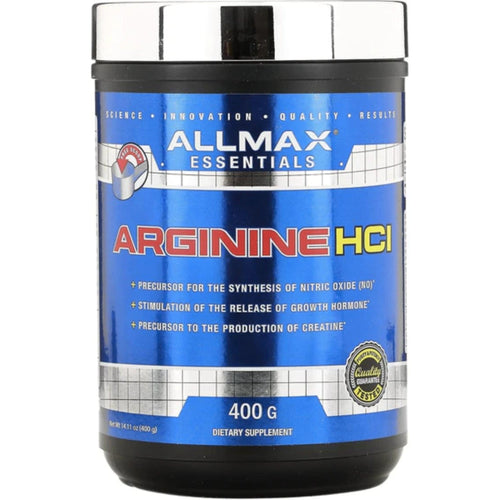
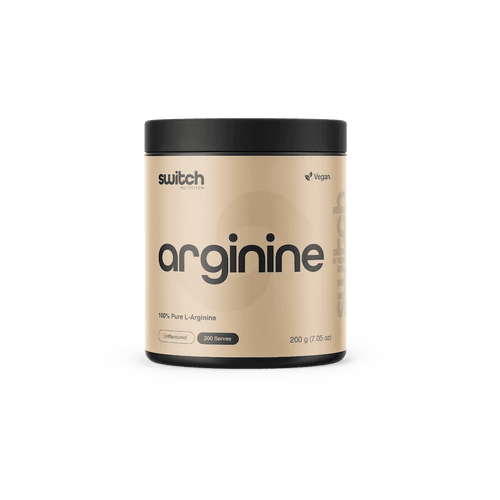
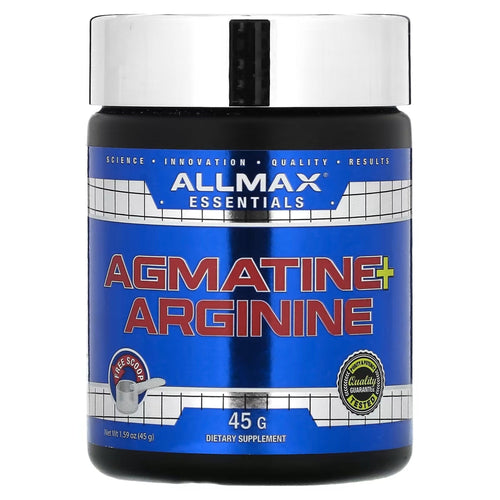
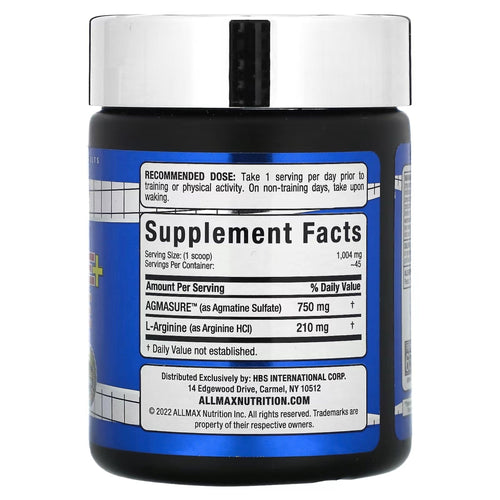
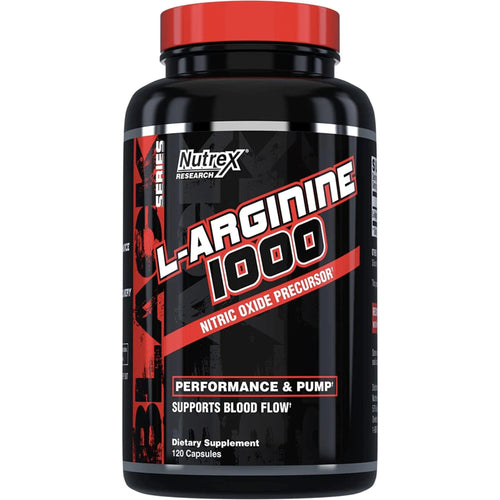
L-arginine is an amino acid that your body uses, among other things, to make nitric oxide, a compound that helps blood vessels widen. As a supplement it comes as powder or tablets, on its own or combined with L-citrulline, and is popular in pump-focused training routines. This collection includes arginine from Allmax, GAT Sport, Horbaach, Switch Nutrition and Nutrex.
Read the L-Arginine buying guideLoading brands...

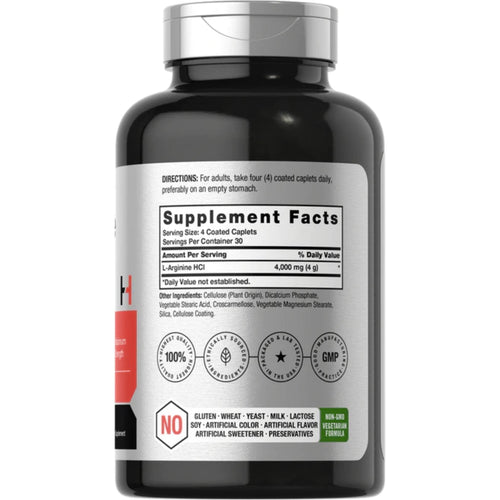
No products found for ""
L-Arginine: buying guide
What arginine is used for
Most people buy arginine for the gym, hoping for better blood flow and muscle pumps. The US Office of Dietary Supplements (ODS) explains the theory: some arginine is converted to nitric oxide, which may increase blood flow and oxygen delivery to muscle. In practice, the ODS says research on arginine as a performance aid is limited and conflicting, and that doses of 2 to 20 g a day have shown little to no effect on performance. The Australian Institute of Sport (AIS) does not list arginine in its supplement framework, while dietary nitrate (beetroot juice) is rated Group A for specific situations.
Arginine versus citrulline
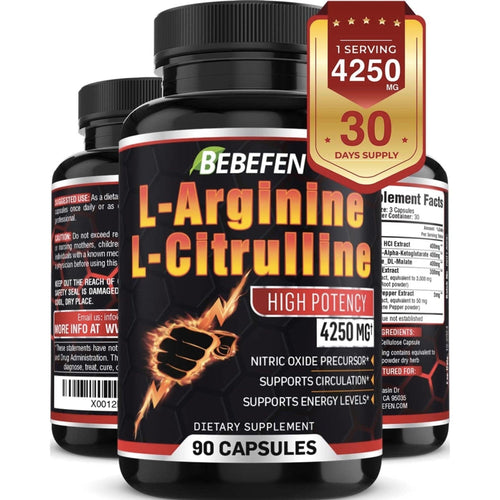
Many pump products now use L-citrulline instead of, or alongside, arginine. According to the ODS, about 80% of the body's citrulline is converted into arginine in the kidneys. The ODS also says the research does not provide strong support for citrulline or citrulline malate as a performance supplement, so neither is a sure thing. Combined arginine and citrulline products in this range let you try both.
How to compare arginine products
- Grams per serve. Check how many tablets or scoops it takes to reach the dose on the front of the pack.
- Form. Arginine is sold as free-form L-arginine or arginine HCl, and some formulas add citrulline.
- Powder or tablets. Powders make larger doses easier, while tablets are handy for travel.
- Testing. If you are a drug-tested athlete, choose batch-tested products (for example HASTA or Informed Sport certified) and check with your sport.
Safety
The ODS says up to 9 g of arginine a day for several days or weeks appears safe and well tolerated in most studies. Higher intakes, around 9 to 30 g a day, commonly cause stomach discomfort such as diarrhoea and nausea, and arginine can slightly lower blood pressure. If you take blood pressure medicine or have a heart condition, check with your doctor first.
Popular picks at Supps247
- Allmax Essentials Arginine HCl: arginine HCl powder in a 400 g tub.
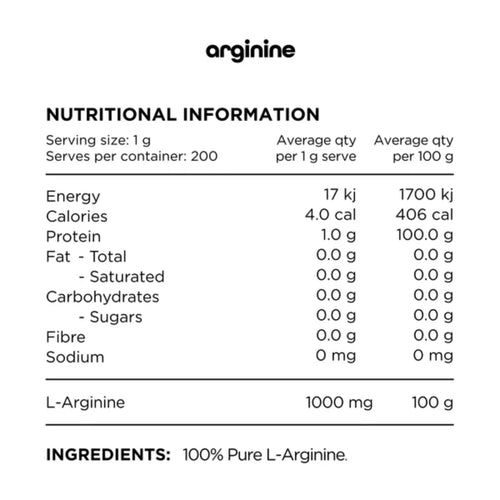
- Switch Nutrition Arginine: arginine powder, 200 serves.
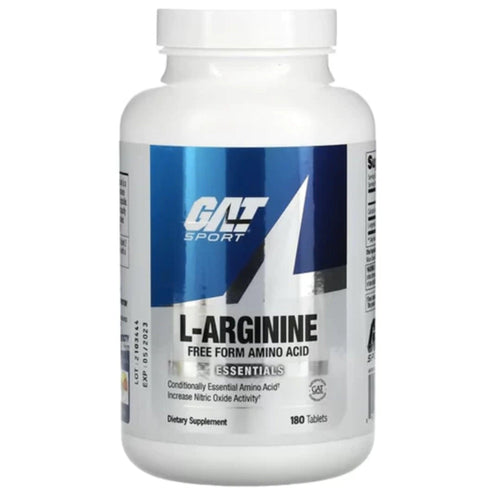
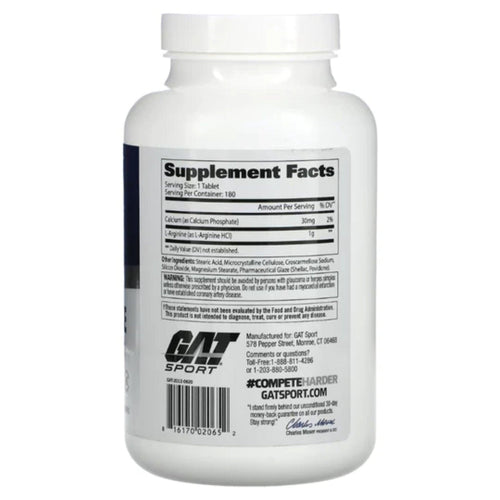
- GAT Sport Essentials L-Arginine: L-arginine tablets, 180 per bottle.
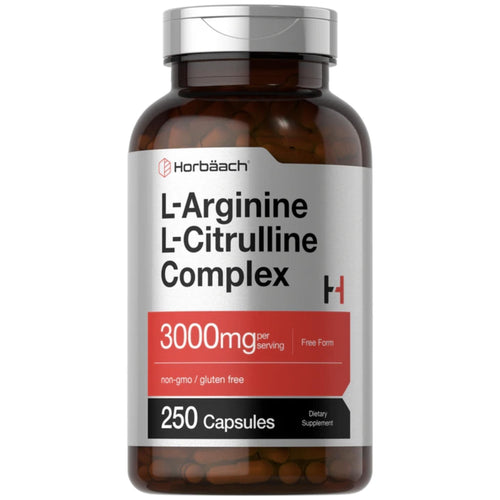
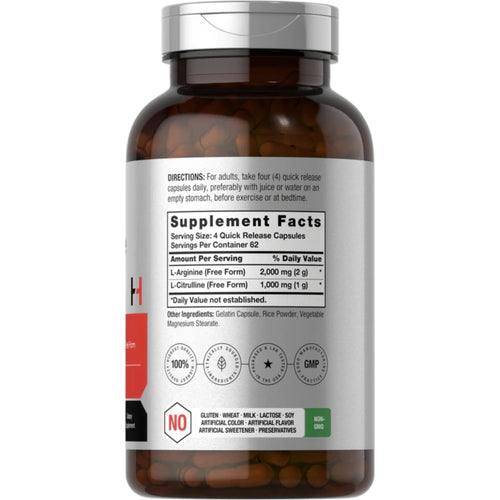
- Horbaach L-Arginine L-Citrulline Complex 3000 mg: arginine and citrulline together, 250 capsules.
Related categories
Compare L-citrulline, beetroot, pump supplements and non-stim pre-workouts.
Sources: NIH ODS: Exercise and athletic performance; AIS Supplement Framework.
Order online with Australia-wide delivery, free on orders of $100 or more, or visit a Supps247 store in Melbourne, regional Victoria or Brisbane to compare products in person before you buy. Members can use our price match guarantee on full-priced items.
Always read the label and follow the directions for use. If you have a medical condition, are pregnant or take regular medication, check with your doctor first.
L-Arginine: questions and answers
What does L-arginine do for training?
Is L-arginine or L-citrulline better for pumps?
How much L-arginine is safe to take a day?
Should I take arginine before a workout?


