




Your cart
Order note
Order special instructions
Discount
Discount invalid. Please make sure the discount details are correct.
Free shipping code should be applied later on Checkout page.
Discount code is already applied.
Discount applied!
Weight Lifting Belts

Weight Lifting Belts
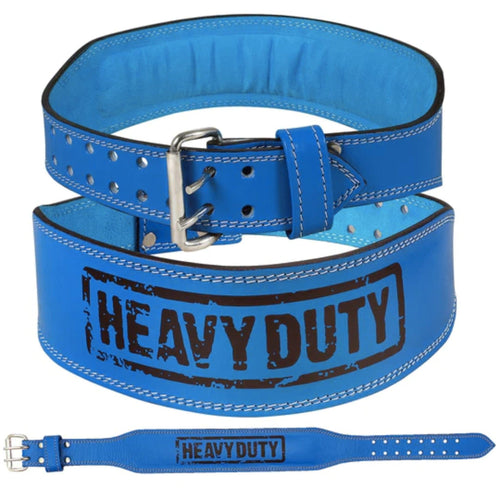
A weight lifting belt is a wide belt worn firmly around your waist on heavy lifts, giving your core something solid to brace against. This collection features the Heavy Duty leather lifting belt, a 4 inch contoured leather belt with foam padding, a suede lining and a double-prong steel roller buckle, available in sizes from small to XXXL.
Read the Weight Lifting Belts buying guide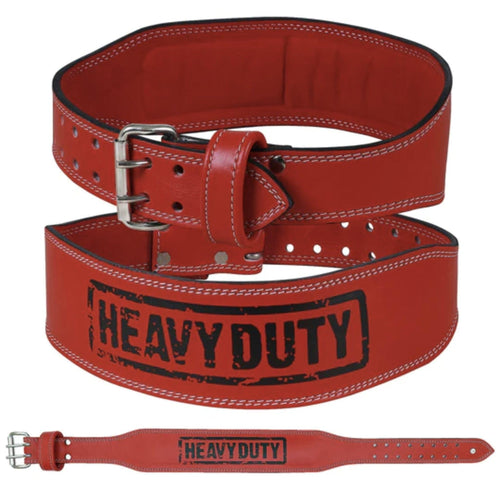
No products found for ""
Weight Lifting Belts: buying guide
What a lifting belt is for
Lifters use a belt to help them brace on big compound lifts such as squats, deadlifts and heavy rows. You take a deep breath, tighten your midsection and push out against the belt, which many people find helps them feel more stable under a heavy bar. A belt does not replace good technique or a strong core, and it does not make an unsafe lift safe. Learn to brace properly without one first, then add the belt for your heaviest work.
When to wear one
- Yes: heavy working sets of squats, deadlifts, rows and other compound lifts that load your spine.
- Usually not needed: warm-up sets, light accessory work, machine exercises and cardio.
- Take it off or loosen it between sets so you can breathe and move comfortably.
How to choose a belt
- Width. Check the width at the back and the front. The Heavy Duty belt is 4 inches wide.
- Shape. A contoured belt is cut to sit more comfortably around the torso, while a straight belt has the same width all the way around.
- Buckle. Prong buckles adjust hole by hole. A double-prong roller buckle, like the one on the Heavy Duty belt, locks the belt in place with two prongs.
- Material and lining. Leather is firm and durable. A suede lining helps the belt grip your clothing so it is less likely to slip.
- Size. Measure around your waist where the belt will sit, usually around your belly button, rather than going by your pants size, then compare with the size guide.
How to wear it
Position the belt around your midsection so it sits comfortably over your hips and lower ribs. It should be tight enough that you can push your stomach out against it when you brace, but not so tight that you cannot take a full breath. Some lifters wear it a notch looser for deadlifts than for squats, as the hip position is different. Wipe leather down after use and let it air dry away from direct heat.
Popular picks at Supps247
- Leather Weight Lifting Belt by Heavy Duty: 4 inch contoured leather with foam padding, a suede lining and a double-prong steel roller buckle, in black, blue or red, sizes small to XXXL.
Related categories
Complete your kit with lifting straps, wrist wraps, chalk and gym accessories.
Order online with Australia-wide delivery, free on orders of $100 or more, or visit a Supps247 store in Melbourne, regional Victoria or Brisbane to compare products in person before you buy. Members can use our price match guarantee on full-priced items.
Weight Lifting Belts: questions and answers
Do I need a weight lifting belt?
When should I wear a lifting belt?
How tight should a weight lifting belt be?
What size lifting belt should I buy?


