




Your cart
Order note
Order special instructions
Discount
Discount invalid. Please make sure the discount details are correct.
Free shipping code should be applied later on Checkout page.
Discount code is already applied.
Discount applied!
Support Braces

Support Braces
Support braces and taping products add compression or stability around a joint during training, sport and recovery. Supps247 currently stocks an elbow compression sleeve, Elastoplast rigid strapping tape and Heavy Duty lifting straps, so you can pick the right level of support for your sport and your session. Here is how they differ and how to choose.
Read the Support Braces buying guideLoading brands...


No products found for ""
Support Braces: buying guide
Sleeve, tape or straps: what each does
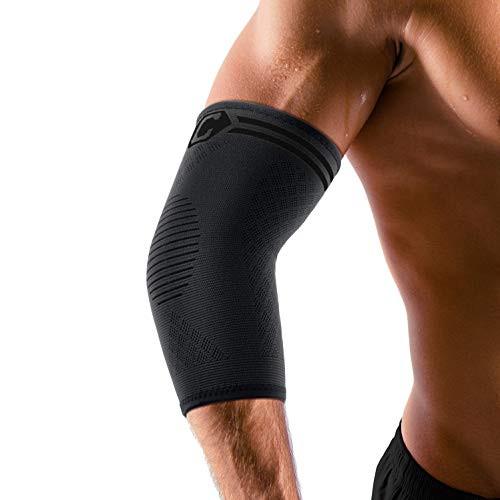
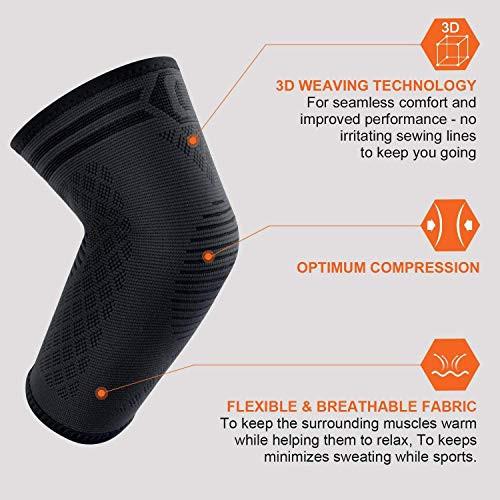
- Compression sleeves are stretchy, pull-on supports. They give even, snug pressure around a joint and are easy to take on and off between sets. Our elbow sleeve comes in sizes XS to XL.
- Rigid strapping tape does not stretch, so it gives firmer, more targeted support than a sleeve. It takes practice to apply well, and a physiotherapist can show you a taping method for your joint and sport.
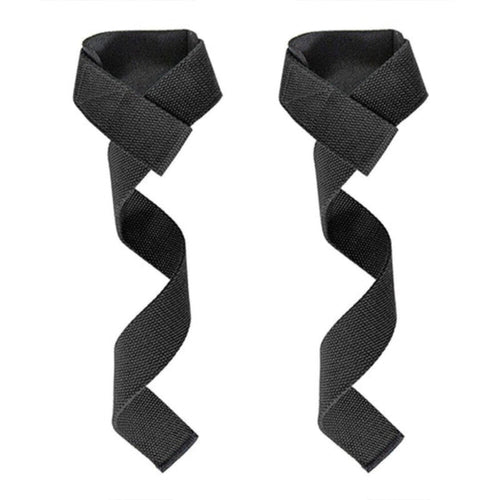
- Lifting straps are not braces. They loop around your wrist and the bar to help your grip on heavy pulls such as deadlifts and rows, so your hands are less likely to fail before your back and legs.
Getting the fit right
- Measure around the joint as the size chart describes, rather than guessing from your clothing size.
- A sleeve should feel snug but comfortable. Take it off if you notice numbness, tingling, colour change or increased pain.
- Put tape on clean, dry skin, and remove it if your skin becomes itchy or irritated.
- Wash sleeves regularly and replace them once they lose their stretch.
When a brace isn't enough
After a fresh sprain or strain, Better Health Channel (Victoria's health department site) lists bracing and external supports as one way to protect the injured area, alongside rest, ice, compression and raising the injured area. It advises seeing your doctor if symptoms get worse in the first 24 hours, and seeing a doctor or physiotherapist if you don't have full function or the pain and swelling haven't eased after a couple of days. A brace supports recovery; it does not replace a proper assessment.
Products in this range
- Elbow Brace, Elbow Compression Sleeve: a pull-on elbow sleeve in sizes XS to XL.
- Rigid Strapping Tape by Elastoplast: non-stretch sports strapping tape.
- Lifting Straps by Heavy Duty: grip straps for heavy pulling exercises, the top seller in this range.
Related categories
Sources: Better Health Channel: Sprains and strains.
Order online with Australia-wide delivery, free on orders of $100 or more, or visit a Supps247 store in Melbourne, regional Victoria or Brisbane to compare products in person before you buy. Members can use our price match guarantee on full-priced items.
Support Braces: questions and answers
Should I wear a brace after a sprain?
Do lifting straps count as a support brace?
How tight should a compression sleeve be?
When should I see a physio instead of buying a brace?


