



Your cart
Order note
Order special instructions
Discount
Discount invalid. Please make sure the discount details are correct.
Free shipping code should be applied later on Checkout page.
Discount code is already applied.
Discount applied!
Vitamins & Supplements

Vitamins & Supplements
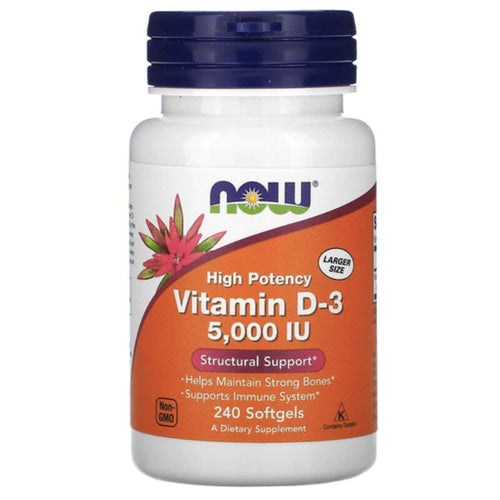
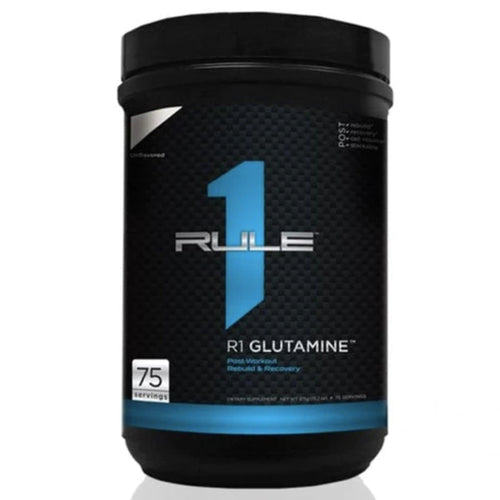
This is our everyday health range: vitamin D, multivitamins, greens powders, fish oil and mineral formulas, plus a mix of other wellness products. Popular brands here include Condemned Labz, Rule 1, EHP Labs, NOW Foods and Ghost, in capsules, softgels, tablets and powders.
Read the Vitamins & Supplements buying guide-

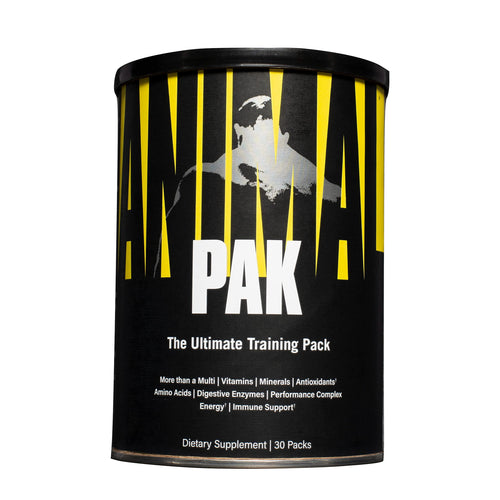 Universal Nutrition2 sizesFrom$99.95Save $60
$159.95
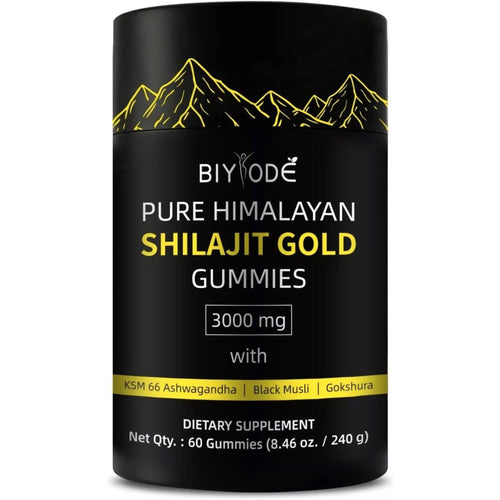
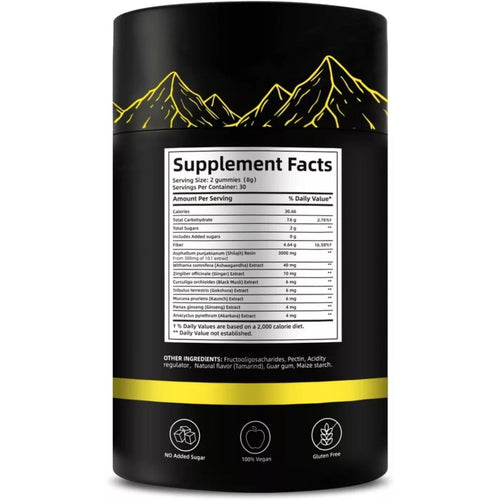
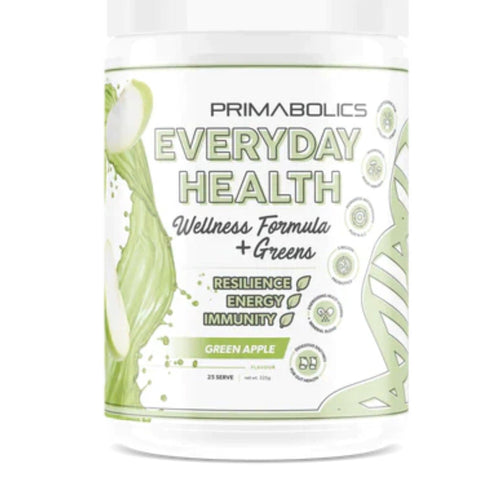
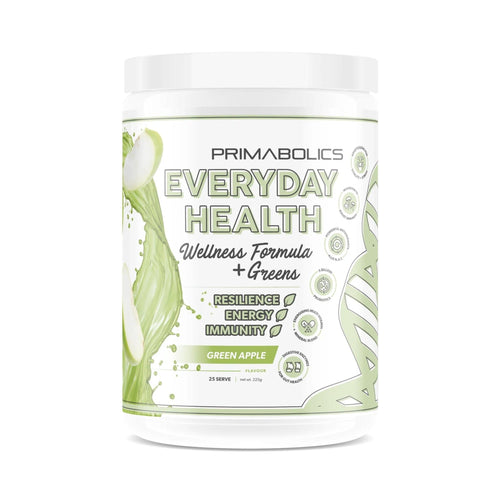

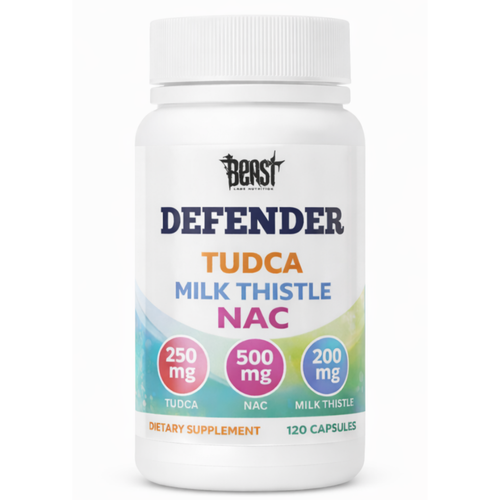
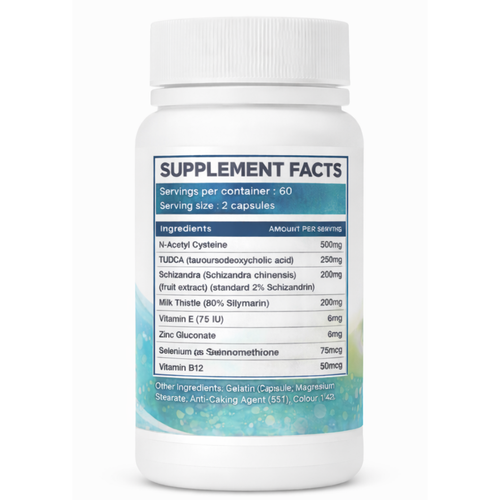


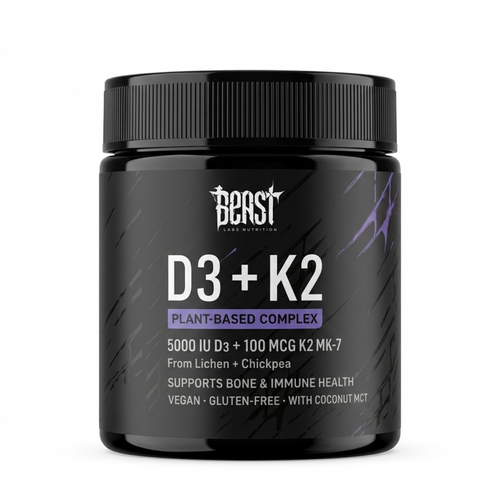

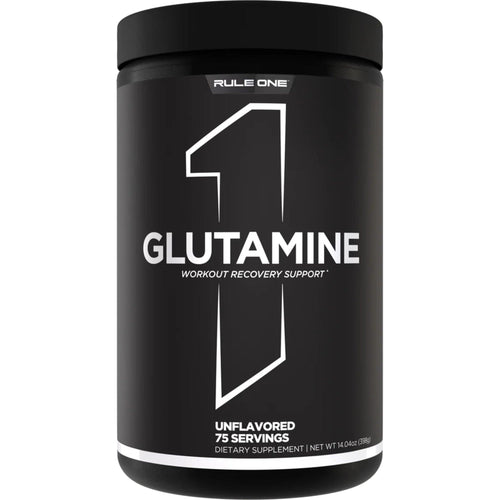
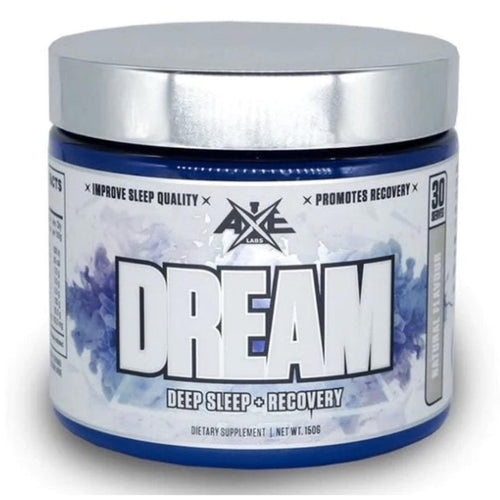
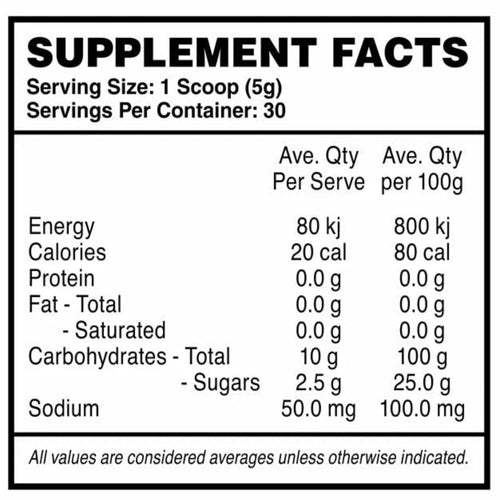
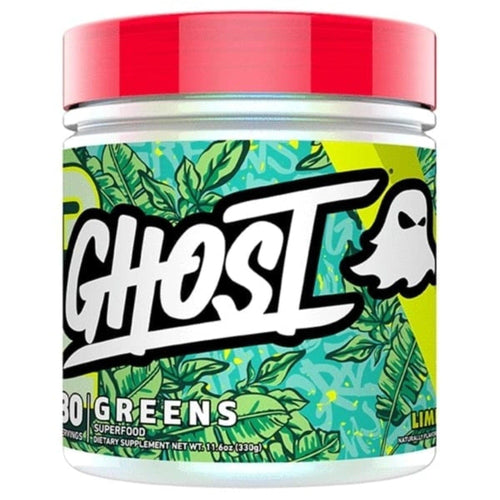
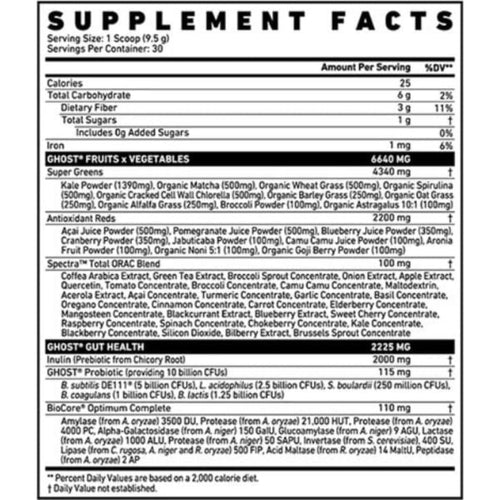
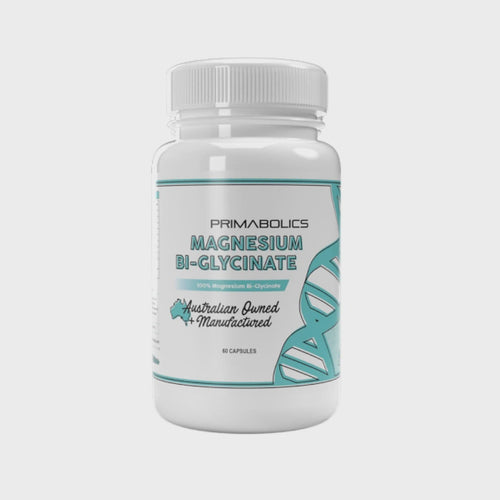
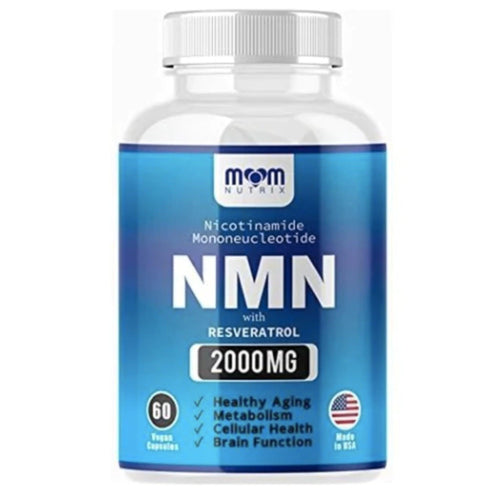

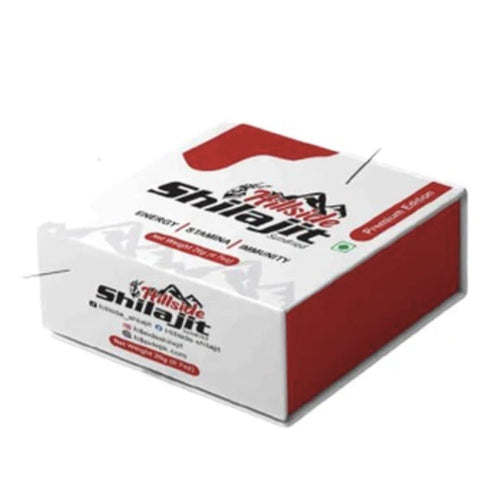
No products found for ""
Vitamins & Supplements: buying guide
Do you need a vitamin supplement?
Food comes first. The US National Institutes of Health Office of Dietary Supplements (NIH ODS) says most studies have found multivitamins have little or no effect on health outcomes in people who already eat well. A supplement is more likely to help if your diet is limited, for example a low-kilojoule or strict vegan diet, or when a health professional recommends one.
Vitamin D is the most common exception people ask about. Australia's Nutrient Reference Values note that most people maintain their vitamin D through sunlight exposure, and the Australian Institute of Sport lists vitamin D as a "medical supplement" alongside iron, calcium, zinc and folate. If you think you are low, ask your GP about a blood test before choosing a dose.
Check the dose, not just the name
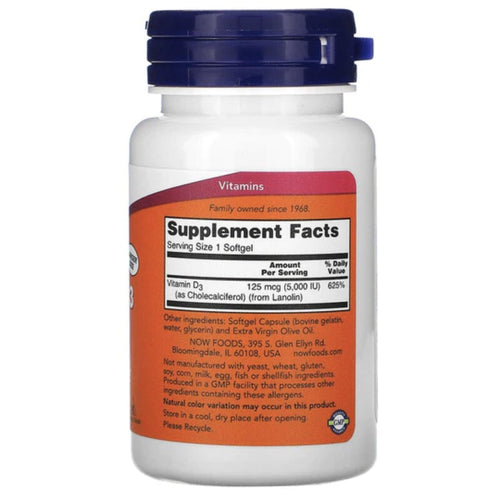
- Vitamin D. Labels use IU or micrograms (1 mcg equals 40 IU). The upper level of intake for adults in Australia is 80 mcg (3,200 IU) a day, and the US limit is 100 mcg (4,000 IU). Check the strength per capsule against these limits, and use high strengths only on your doctor's advice.
- Vitamin B6. The TGA warns that peripheral neuropathy (nerve damage causing tingling or burning) may occur at intakes of 50 mg a day or even lower, and requires a warning on products above 10 mg a day. Add up B6 across every product you take, including multivitamins and mineral formulas.
- Doubling up. The NIH ODS advises checking that your total intake from fortified foods and all supplements stays under the upper limit for each nutrient.
Who should check with a doctor first
If you take warfarin, talk to your doctor before using any product with vitamin K, including vitamin D and K2 combinations, because vitamin K can reduce warfarin's effect. The NIH ODS also advises smokers to avoid multivitamins high in beta-carotene or vitamin A. If you are pregnant, a pregnancy-specific product is usually more appropriate than a general multivitamin.
Popular picks at Supps247
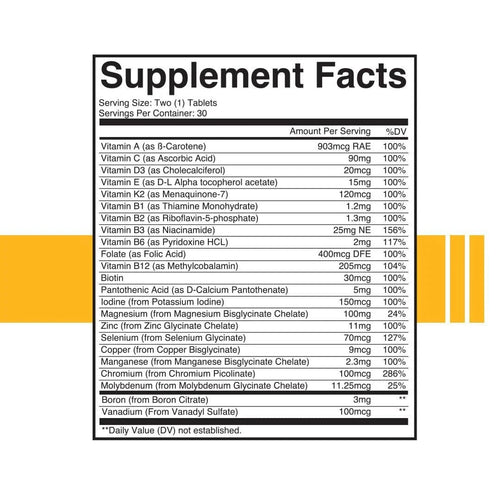
- Multi Multivitamin by Condemned Labz: a two-tablet daily multivitamin with 20 mcg of vitamin D3 per serve.
- Rule 1 Fish Oil: omega-3 fatty acids from fish oil.
- EHP Labs OxyGreens Daily Super Greens: a daily greens powder, 30 serves.
Related categories
Shop single nutrients in vitamin D and magnesium, or compare multivitamins and fish oil.
Sources: NIH ODS: Multivitamin/mineral supplements; Eat for Health: Vitamin D; RACGP newsGP: TGA decision on vitamin B6.
Order online with Australia-wide delivery, free on orders of $100 or more, or visit a Supps247 store in Melbourne, regional Victoria or Brisbane to compare products in person before you buy. Members can use our price match guarantee on full-priced items.
Always read the label and follow the directions for use. If you have a medical condition, are pregnant or take regular medication, check with your doctor first.
Vitamins & Supplements: questions and answers
Do I need a multivitamin if I eat well?
How much vitamin D should I take a day?
Can I take vitamin K2 if I'm on blood thinners?
Is it safe to take vitamin B6 every day?


