



Your cart
Order note
Order special instructions
Discount
Discount invalid. Please make sure the discount details are correct.
Free shipping code should be applied later on Checkout page.
Discount code is already applied.
Discount applied!
Recovery

Recovery
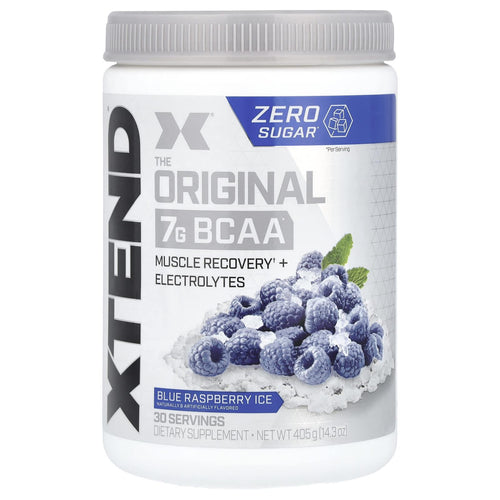
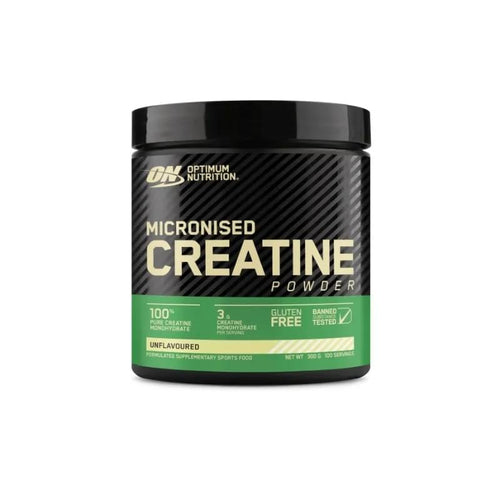
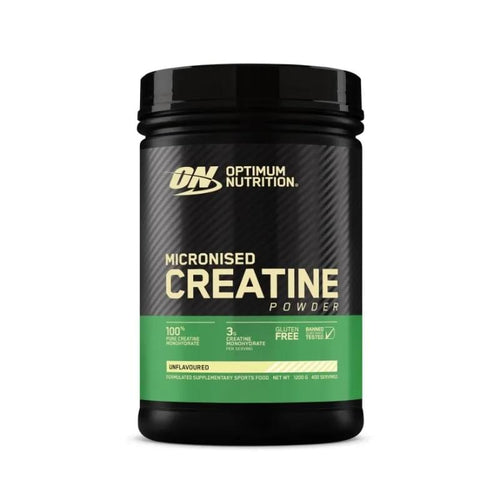
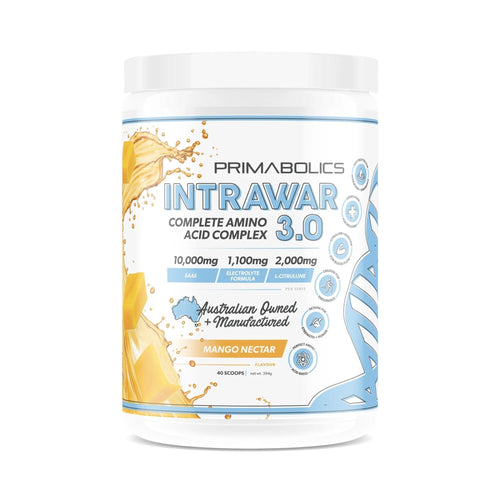
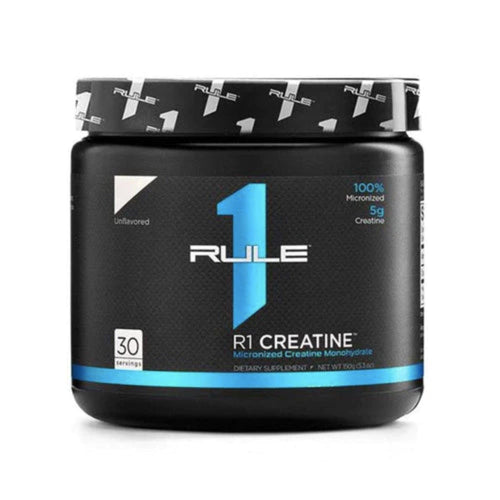
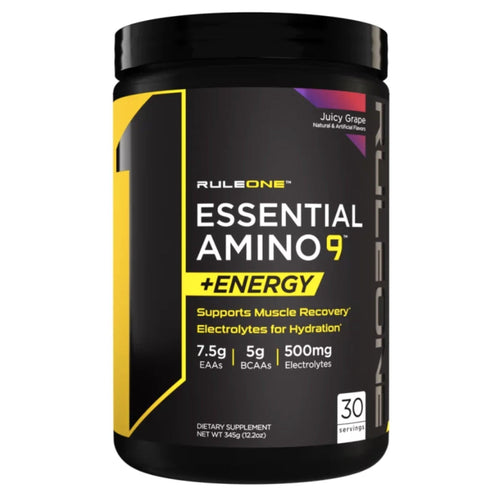
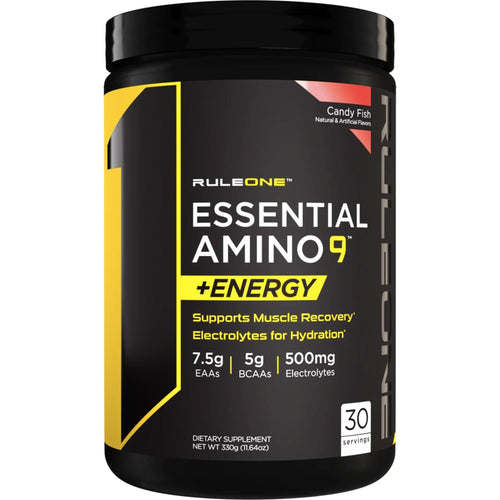
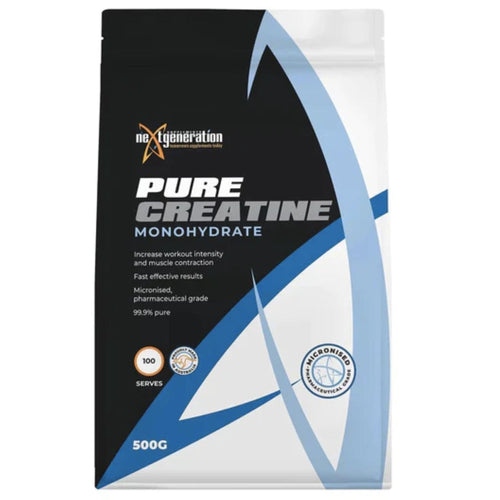
Recovery supplements are the products people use after (or during) training to refuel, rehydrate and rebuild: protein powders, carbohydrate powders, electrolytes, creatine and amino acid drinks such as BCAAs and EAAs. This collection brings them together from brands including Optimum Nutrition, Rule 1, Primabolics, Cyborg Sport and Next Generation.
Read the Recovery buying guide-
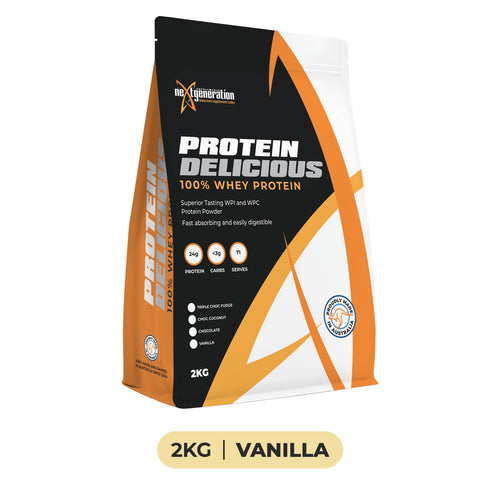
 Next Generation2 sizes · 5 flavoursFrom$99.95Save $20
$119.95 -
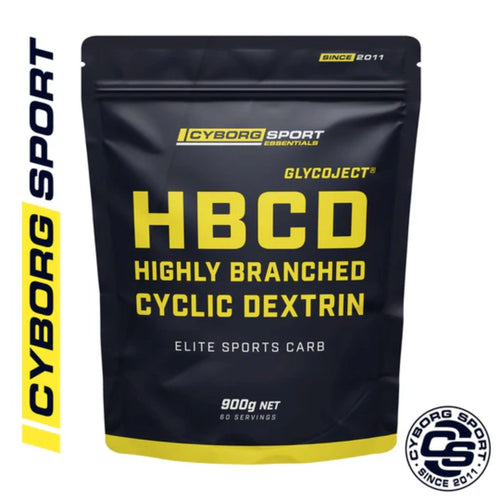
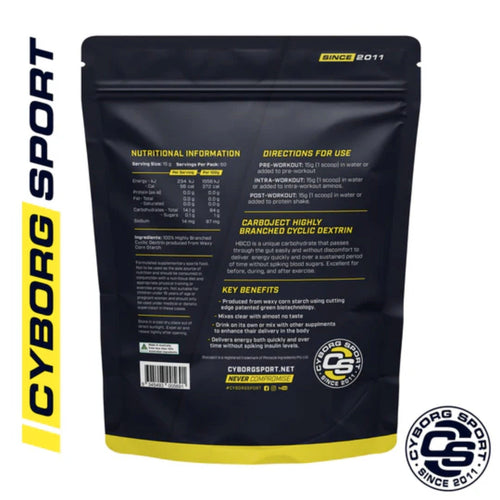 Cyborg Sports$69.95Save $10
$79.95






No products found for ""
Recovery: buying guide
What actually helps recovery
The Australian Institute of Sport (AIS) Supplement Framework is a useful filter. Its Group A, meaning strong evidence for specific situations in sport, includes protein supplements, sports drinks, electrolyte supplements, mixed macronutrient powders and creatine. The AIS protein fact sheet suggests a serve of 20 to 40 g of protein straight after key sessions when a fast, convenient option is needed. Carbohydrate powders such as cream of rice and cyclic dextrin are simple ways to add carbs around training, and electrolytes help you replace what you lose in sweat. Sleep, total food intake and sensible training loads still do most of the work.
Amino acids, glutamine and other extras
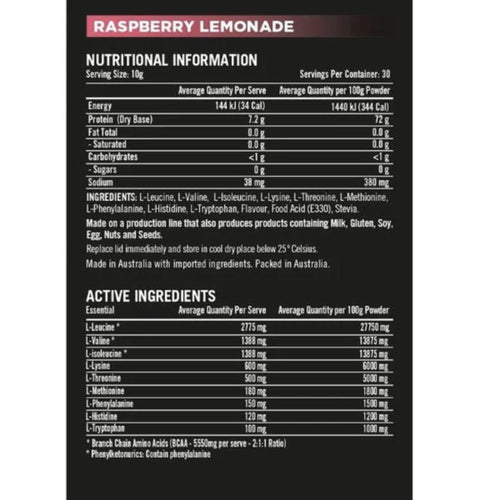
Many recovery drinks are built on amino acids, and the evidence is weaker here. The AIS places BCAAs and leucine in Group C, meaning evidence indicates no benefit to athletes or there is not enough research. The US Office of Dietary Supplements (ODS) says glutamine has either no effect or only a small benefit for strength training and recovery. HMB may speed up recovery from hard enough exercise, according to the ODS, although the AIS also lists it as Group C. Tart cherry and fish oils sit in AIS Group B, with emerging evidence. If you already eat enough protein, a separate amino drink adds little beyond flavour and hydration.
How to compare recovery products
- Dose per serve. Check grams of protein, carbohydrate or creatine per scoop, not just the headline ingredient.
- Stimulants. Amino drinks labelled "energy" usually add caffeine, which you may not want late in the day.
- Electrolytes. Look at the sodium content if you sweat heavily or train in the heat.
- Testing. If you are a drug-tested athlete, choose batch-tested products (for example HASTA or Informed Sport certified) and check with your sport.
Popular picks at Supps247
- Next Generation Protein Delicious 100% Whey Protein: a whey protein for after training.
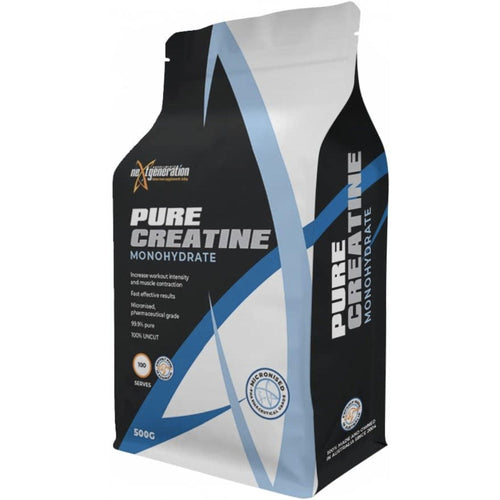
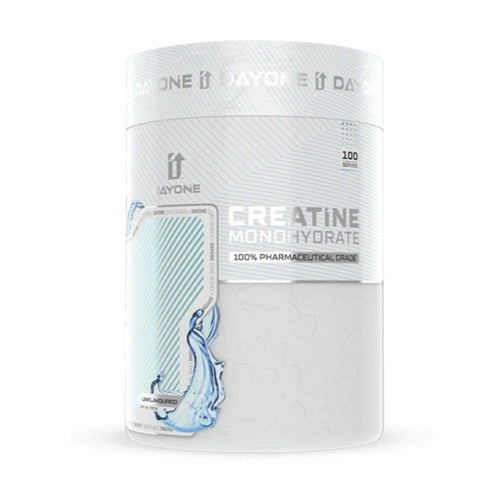
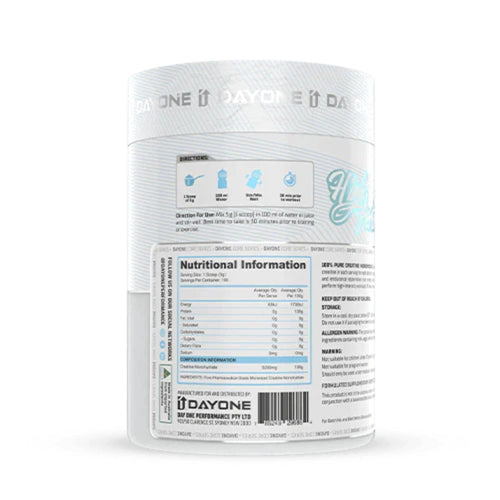
- Optimum Nutrition Micronized Creatine Powder: creatine monohydrate in micronised powder form.
- Cyborg Sport Glycoject HBCD: a highly branched cyclic dextrin carbohydrate powder.
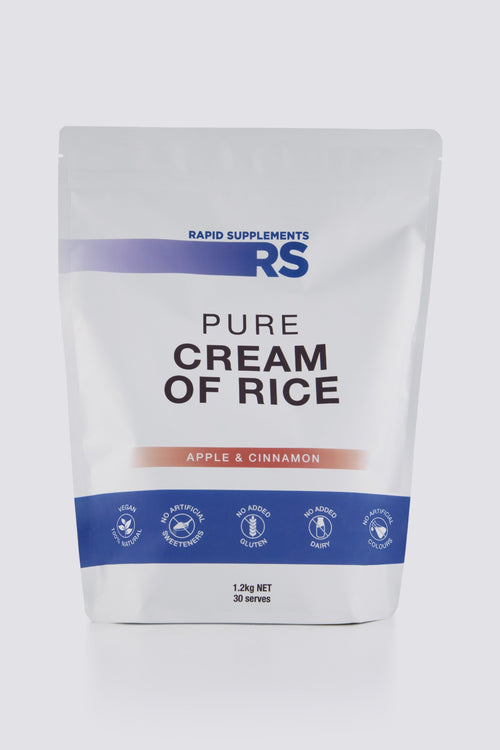
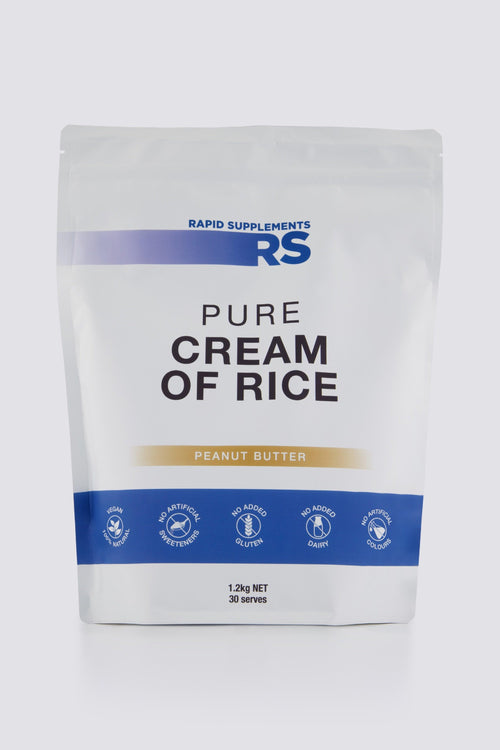
- Pure Cream of Rice by Rapid Supplements: a quick rice-based carbohydrate.
- Dr. Hydrate Electrolytes: an electrolyte drink mix.
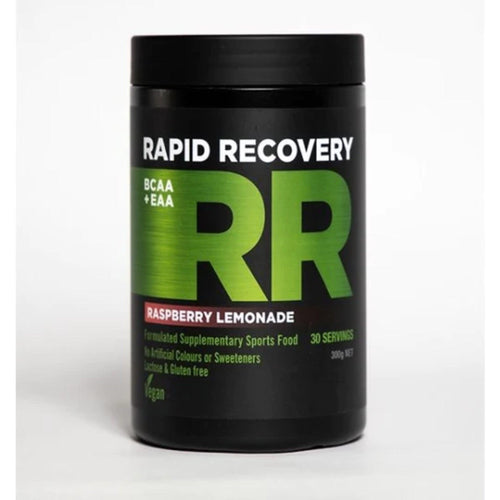
- Legit Recovery EAA Formula: an essential amino acid drink, 30 servings.
Related categories
Shop protein powder, creatine, hydration and electrolytes and EAA supplements.
Sources: AIS Supplement Framework; NIH ODS: Exercise and athletic performance; AIS: Isolated protein supplements.
Order online with Australia-wide delivery, free on orders of $100 or more, or visit a Supps247 store in Melbourne, regional Victoria or Brisbane to compare products in person before you buy. Members can use our price match guarantee on full-priced items.
Always read the label and follow the directions for use. If you have a medical condition, are pregnant or take regular medication, check with your doctor first.
Recovery: questions and answers
What should I take after a workout for recovery?
Do BCAAs help with muscle recovery?
Is glutamine worth taking for recovery?
How much protein should I have after training?


