



Your cart
Order note
Order special instructions
Discount
Discount invalid. Please make sure the discount details are correct.
Free shipping code should be applied later on Checkout page.
Discount code is already applied.
Discount applied!
Brain Health

Brain Health
Brain health supplements cover two quite different needs: everyday nutrients such as omega-3 fish oil, magnesium and B vitamins, and caffeine-based focus formulas often sold as nootropics. This range includes both, plus herbal products such as ashwagandha, from brands including NOW Foods, Life Extension, AllMax, Redcon1 and Horbaach.
Read the Brain Health buying guide









No products found for ""
Brain Health: buying guide
What the evidence says
Be wary of big promises on brain products. The US National Center for Complementary and Integrative Health (NCCIH) says there is no conclusive evidence that ginkgo can prevent or slow cognitive decline, and that evidence for curcumin is too limited to draw conclusions. For omega-3s, the most consistent findings come from eating fish rather than taking supplements.
Caffeine has the strongest evidence in this space. The Australian Institute of Sport lists it as a Group A performance supplement, meaning strong evidence for specific situations in sport. A 2021 systematic review found small studies where L-theanine (around 200 mg) combined with caffeine (around 160 mg) improved some measures of attention, but the authors called the evidence preliminary.
Types of brain health products
- Omega-3 fish oil. The NIH Office of Dietary Supplements notes that DHA levels are especially high in the brain and eyes. Compare the EPA and DHA per serve, not just the total fish oil.
- Magnesium and B vitamins. Everyday nutrients sold in specific forms, such as magnesium L-threonate or "bioactive" B complexes.
- Focus powders and capsules. Usually built around caffeine with ingredients like L-theanine or tyrosine. Check the caffeine per serve.
- Herbal and adaptogen products. Ashwagandha, catuaba and similar herbs, often marketed for stress or mood.
How to compare products
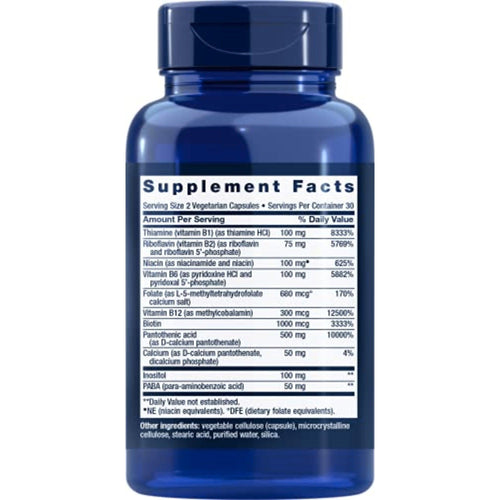
Look for products that list every ingredient amount, so you can compare them with the doses used in research. Add up caffeine from all sources, including coffee and pre-workouts. The NIH ODS says up to 400 to 500 mg a day seems safe for most adults. Check B6 too: the TGA warns that nerve damage may occur at 50 mg a day or lower.
Safety
NCCIH says ashwagandha should be avoided during pregnancy and breastfeeding, is not recommended for people with thyroid or autoimmune conditions, and has rarely been linked to liver injury. High-dose omega-3s may cause bleeding problems with warfarin. If you notice changes in your memory, see your GP rather than self-treating, because many causes can be treated.
Popular picks at Supps247
- NOW Foods Omega 3 1000 mg: fish oil softgels in bottles of 100 to 200.
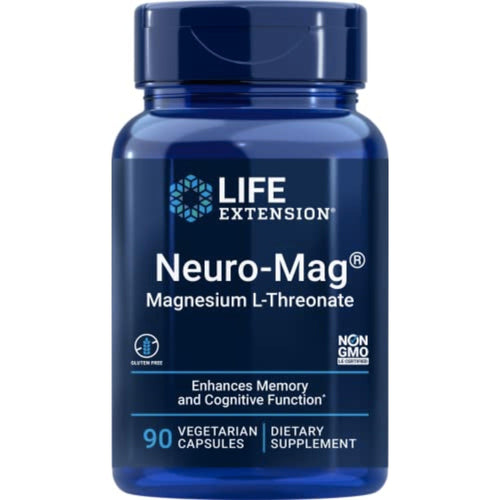
- Life Extension Neuro-Mag: magnesium in the L-threonate form.
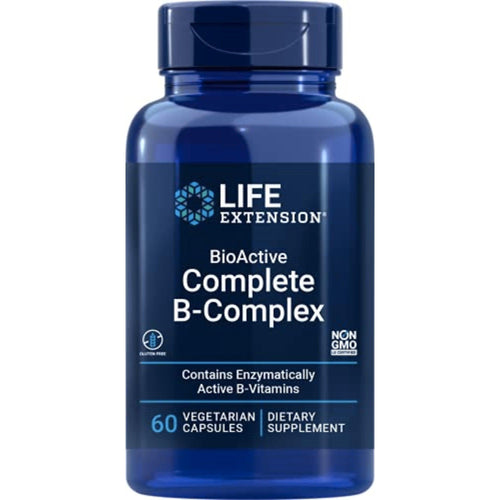
- Life Extension Bio Active Complete B Complex: a B vitamin complex in 60 vegetarian capsules.
- Faction Labs Attention Cheat Mode: a flavoured powder, 30 serves per tub.
- AllMax Essentials Ashwagandha KSM-66: a single-herb ashwagandha root extract.
Related categories
See focus and energy for caffeine-based formulas, fish oil, mushrooms such as lion's mane, and ashwagandha.
Sources: NCCIH: Dietary supplements for cognitive function; NIH ODS: Omega-3 fatty acids; NCCIH: Ashwagandha.
Order online with Australia-wide delivery, free on orders of $100 or more, or visit a Supps247 store in Melbourne, regional Victoria or Brisbane to compare products in person before you buy. Members can use our price match guarantee on full-priced items.
Always read the label and follow the directions for use. If you have a medical condition, are pregnant or take regular medication, check with your doctor first.
Brain Health: questions and answers
Do nootropics actually work?
Is it safe to take ashwagandha every day?
Can I take a nootropic with pre-workout?
Is fish oil good for your brain?


