



Your cart
Order note
Order special instructions
Discount
Discount invalid. Please make sure the discount details are correct.
Free shipping code should be applied later on Checkout page.
Discount code is already applied.
Discount applied!
Cardiovascular Health

Cardiovascular Health
Cardiovascular Health brings together supplements built around nutrients involved in normal heart, muscle and blood vessel function, including omega-3 fish oil, magnesium, potassium, B vitamins, vitamin K2 and beetroot. Brands include NOW Foods, Life Extension, AllMax, Horbaach and Doctor's Best. Supplements sit alongside diet, activity and regular check-ups with your doctor, not in place of them.
Read the Cardiovascular Health buying guideLoading brands...
-
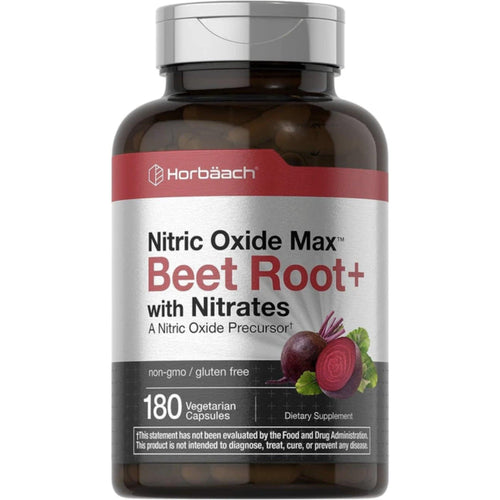
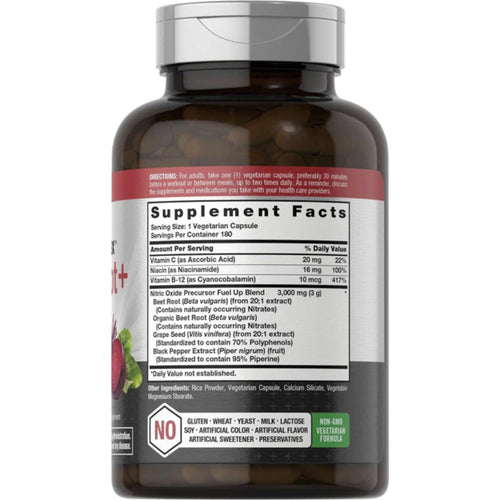 Horbaach$69.95Save $10
$79.95










No products found for ""
Cardiovascular Health: buying guide
Start with food
The Heart Foundation recommends 2 to 3 servings of fish a week, including oily fish such as salmon, sardines or mackerel, and suggests Australians aim for 250 to 500 mg of marine omega-3s (EPA and DHA) a day. It notes that food sources are enough for most people and suggests checking with your doctor before taking omega-3 supplements. Plant sources of ALA include walnuts, chia and flaxseed.
What is in this collection
- Omega-3 (fish oil). EPA and DHA are found mainly in fish and seafood, and your body converts only small amounts of plant ALA into them. Supplements come as fish oil, krill oil, cod liver oil and algal oil.
- Magnesium. Involved in muscle and nerve function and in making protein, bone and DNA. The upper limit from supplements for adults is 350 mg a day.
- Potassium. Used for heart and kidney function and muscle contraction. Most supplements provide no more than 99 mg per serve, so food remains the main source.
- Vitamin K2. Vitamin K supports normal blood clotting and bone health.
- Beetroot. A source of dietary nitrate, studied mainly for exercise performance. See our beetroot collection.
How to compare products
- For fish oil, read the EPA plus DHA content per serve, not just the total oil weight.
- Check the number of capsules per serve, which changes how long a bottle lasts.
- Compare the dose with the upper limits above, and count any multivitamin you already take.
Safety and medicines
This is a category where checking with your doctor or pharmacist matters. High doses of omega-3 may increase bleeding risk with warfarin or other anticoagulants. People on warfarin are advised to keep vitamin K intake about the same each day, so adding a K2 supplement can affect treatment. Potassium can build up in people with kidney disease or those taking ACE inhibitors or potassium-sparing diuretics. Magnesium can reduce absorption of some antibiotics and osteoporosis medicines if taken too close together. If you take any blood pressure, cholesterol or blood-thinning medicine, talk to your doctor before adding a supplement, including nattokinase.
Popular picks at Supps247
- Omega 3 1000 mg by NOW Foods: fish oil softgels.
- AllMax Omega 3: 180 softgels per bottle.
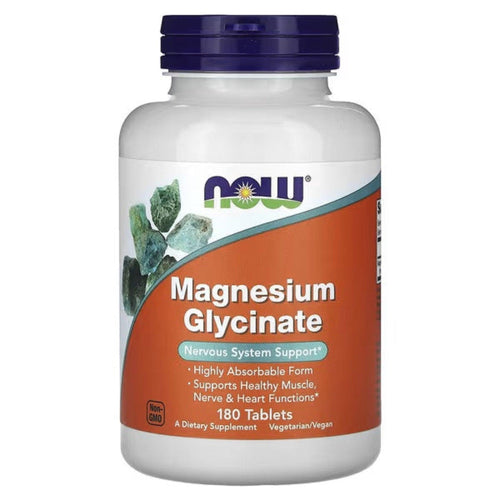
- Magnesium Glycinate by NOW Foods: magnesium in glycinate form.
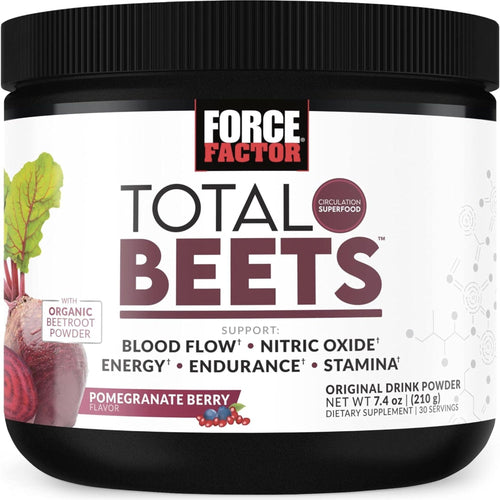
- Force Factor's Total Beets: a beetroot-based supplement.
- Vitamin K2 MK7 100 mcg by Nutricost: vitamin K2 as MK-7, 100 mcg.
Related categories
Sources: Heart Foundation: omega-3, omega-6 and heart health; NIH ODS: Omega-3 fatty acids; NIH ODS: Potassium.
Order online with Australia-wide delivery, free on orders of $100 or more, or visit a Supps247 store in Melbourne, regional Victoria or Brisbane to compare products in person before you buy. Members can use our price match guarantee on full-priced items.
Always read the label and follow the directions for use. If you have a medical condition, are pregnant or take regular medication, check with your doctor first.
Cardiovascular Health: questions and answers
How much omega-3 should I have each day?
Can I take fish oil if I am on blood thinners?
Why does vitamin K matter if I take warfarin?
Are potassium supplements safe?


