



Your cart
Order note
Order special instructions
Discount
Discount invalid. Please make sure the discount details are correct.
Free shipping code should be applied later on Checkout page.
Discount code is already applied.
Discount applied!
Anti-Stress

Anti-Stress
Anti-stress supplements are products people use alongside sleep, exercise and downtime to support a calmer, more balanced day. The most common are magnesium, ashwagandha, and blends with L-theanine, GABA or mushroom extracts such as reishi. Brands in this collection include Now Foods, Primabolics, Horbaach, Life Cykel and Renew Actives.
Read the Anti-Stress buying guideLoading brands...

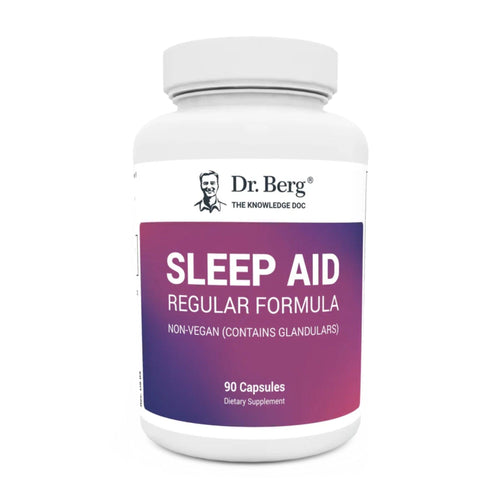
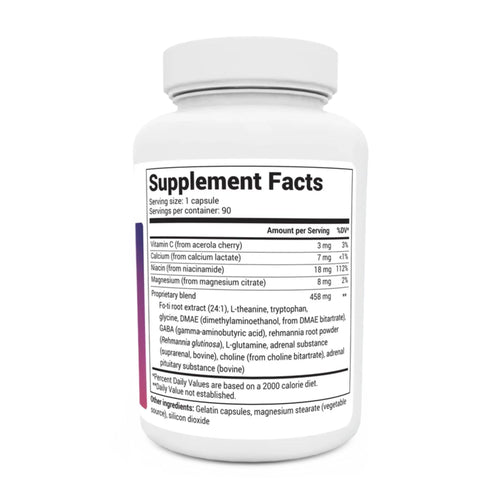
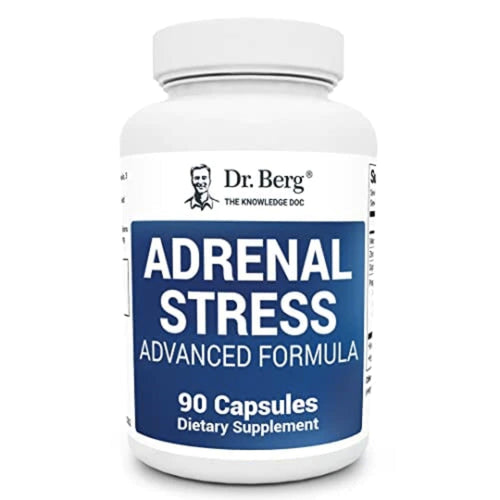
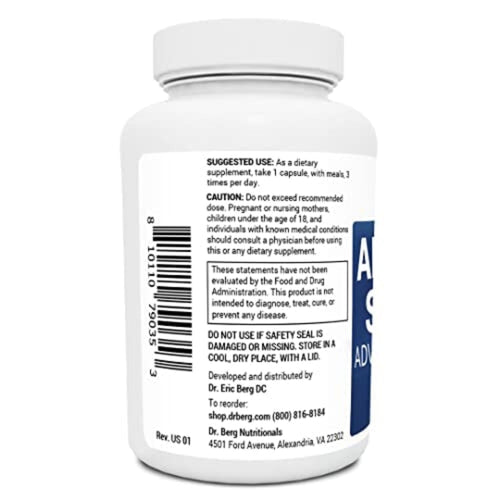
No products found for ""
Anti-Stress: buying guide
Start with the basics
Healthdirect notes that daily exercise has many benefits for wellbeing, including reducing stress, and that setting aside time to relax each day helps stop tension building up. A supplement can sit alongside those habits but will not replace them. If you still feel overwhelmed, healthdirect recommends talking to a doctor or mental health professional, because ongoing stress can be a sign of depression, anxiety or another mental health condition. In an emergency, call triple zero (000).
Common ingredients and what the evidence says
- Ashwagandha. A shrub used in traditional Ayurvedic medicine. The US National Center for Complementary and Integrative Health (NCCIH) says research shows some ashwagandha preparations may be effective for stress, although many studies are small and use different extracts.
- Magnesium. An essential mineral, and magnesium glycinate products are among the most popular in this collection. The US Office of Dietary Supplements (ODS) does not list stress relief among magnesium's established benefits, so think of it as topping up a nutrient rather than a proven calming aid.
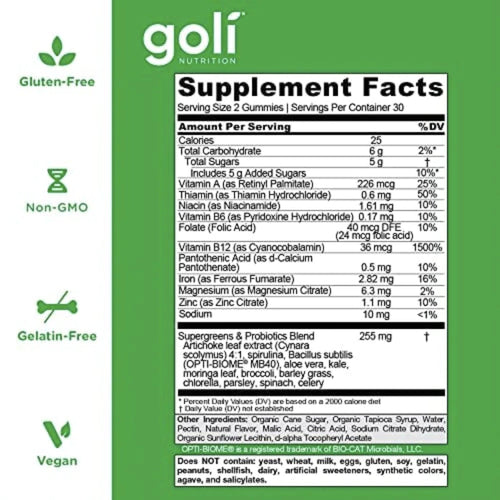
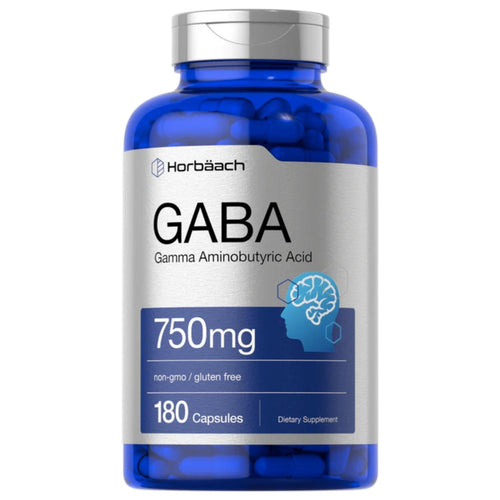
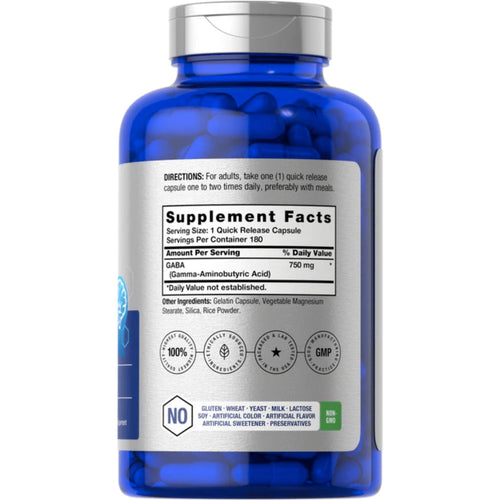
- Other blends. You will also find formulas with L-theanine, GABA, reishi and greens. Check each label for the dose of every ingredient rather than relying on the front of the pack.
How to compare products
Look at the dose per serve and the form, for example how many milligrams of ashwagandha extract or elemental magnesium you get. Check for caffeine or other stimulants, which work against a calming routine. Multi-ingredient blends make it harder to know which ingredient you are reacting to, so a single-ingredient product is easier to assess.
Safety and who should check first
NCCIH says ashwagandha may be safe for up to 3 months, but long-term safety is unknown and rare cases of liver injury have been reported. It should be avoided during pregnancy and breastfeeding, is not recommended for people with thyroid or autoimmune conditions, and may interact with medicines for diabetes, blood pressure, thyroid, seizures and sedation. For magnesium, the ODS sets an upper limit of 350 mg a day from supplements for adults, as more can cause diarrhoea, nausea and cramping.
Popular picks at Supps247
- Magnesium Glycinate by Now Foods: magnesium in glycinate form.
- Magnesium Bi-Glycinate by Primabolics: a magnesium bisglycinate supplement.
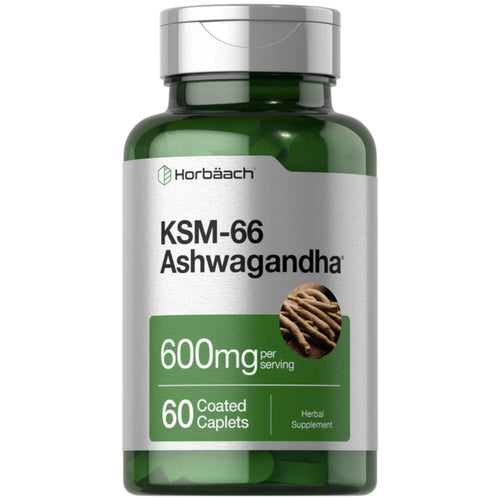
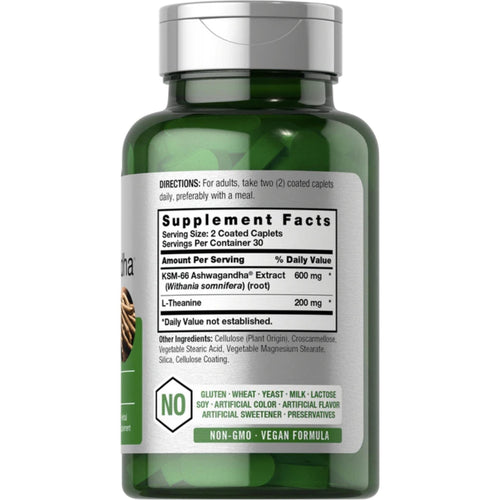
- KSM-66 Ashwagandha 600 mg with L-Theanine by Horbaach: ashwagandha extract combined with L-theanine.
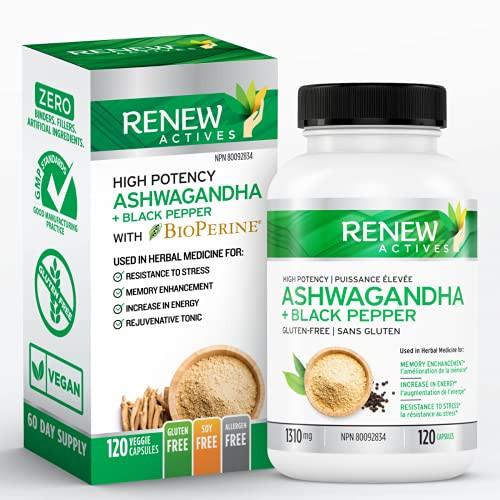
- Ashwagandha by Renew Actives: a single-herb ashwagandha supplement.
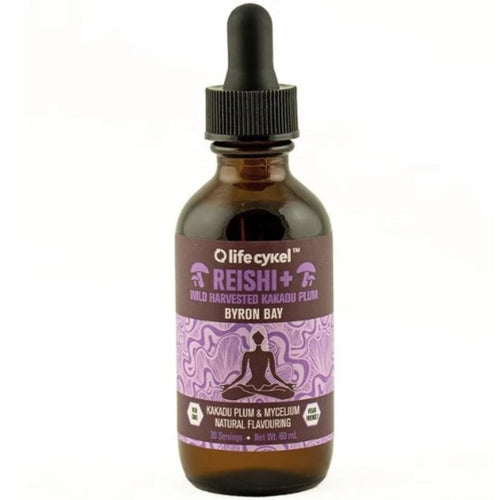
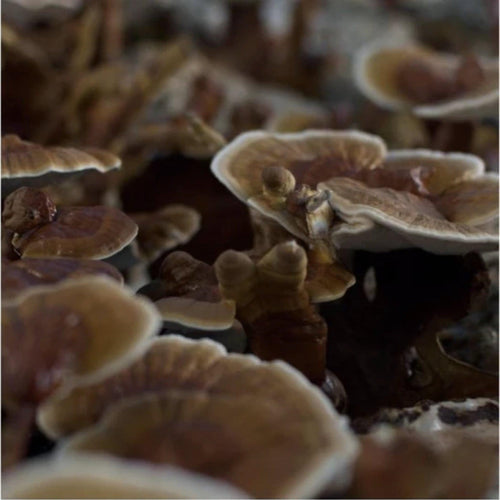
- Life Cykel Reishi Mushroom Liquid Extract: a liquid reishi extract.
Related categories
Browse ashwagandha, magnesium, sleep support and mood support.
Sources: NCCIH: Ashwagandha; NIH ODS: Magnesium; healthdirect: Stress.
Order online with Australia-wide delivery, free on orders of $100 or more, or visit a Supps247 store in Melbourne, regional Victoria or Brisbane to compare products in person before you buy. Members can use our price match guarantee on full-priced items.
Always read the label and follow the directions for use. If you have a medical condition, are pregnant or take regular medication, check with your doctor first.
Anti-Stress: questions and answers
Is it safe to take ashwagandha every day?
Does ashwagandha actually help with stress?
How much magnesium can I take a day?
When should I see a doctor about stress?


