









Summer is training season for a lot of clubs across the City of Whittlesea: cricket on Saturdays, pre-season for football and netball, and soccer that runs late into the warm evenings. Hot, long sessions bring the same questions every year: how much should I drink, do I need electrolytes, and what should I eat afterwards?
Here are the basics, plus where supplements fit and where they don't.
1. Start hydrated
Turning up to training already a bit dehydrated is common, especially after a hot workday. Drink regularly through the day, and have a drink with your pre-training meal or snack. Pale yellow urine is a simple sign you're on track.
2. Drink during long or hot sessions
Sports Dietitians Australia notes that sweat losses go up with higher temperature, higher humidity and harder exercise. On long or hot days, don't wait until you're parched: take your own bottle and drink at every break.
- Under an hour, mild weather: water is usually enough.
- Longer, hotter or very sweaty sessions: a drink with sodium (electrolytes) helps replace what you lose in sweat. See our electrolytes guide to compare sodium and sugar levels.
3. Rehydrate and refuel afterwards
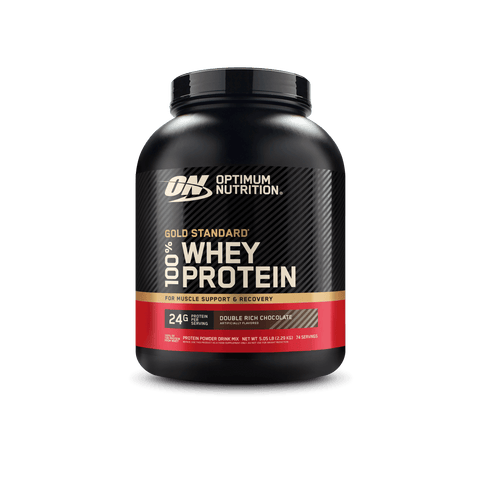
After a big session, replace fluid with food and drinks that include some sodium. If you're training again within a day, eat a meal with quality carbohydrate and lean protein in the hours afterwards. A normal meal does the job. A protein shake is just a convenient option when you're short on time. See how much protein you need.
4. Know the warning signs
Headache, dizziness, nausea, cramping or confusion in the heat are signs to stop, cool down and drink. Coaches should plan drink breaks and shade on hot days. If someone stops sweating or becomes confused, treat it as an emergency and call 000.
Where supplements fit
- Electrolytes are useful for long, hot sessions and games. Browse hydration and electrolytes, or save with the Dr. Hydrate twin pack.
- Protein powder is convenient when a meal isn't. It doesn't replace one.
- Creatine and caffeine are in Group A of the AIS framework for adults in specific situations. That isn't a reason for everyone to take them, and they're not for junior players.
Junior players
For players under 18, it's food and water first. Athletics Australia's supplement policy says supplement use by athletes under 18 should only happen under the supervision of a dietitian or doctor. Water, regular meals and sleep matter far more at that age.
If your competition drug tests
Choose batch-tested products (for example HASTA or Informed Sport) and check the batch number on your tub. Read our guide to supplements for drug-tested athletes.
Supps247 near you
Supps247 is opening a new store at Westfield Plenty Valley in Mill Park, next to South Morang station. Until it opens, visit Supps247 Reservoir or Supps247 Craigieburn, or order online with free shipping on orders of $99.99 or more. Our hot weather training guide has more detail.
Sources: Sports Dietitians Australia, Fluids in Sport; Australian Institute of Sport, Sports Supplement Framework; Athletics Australia, Supplement Policy. This article is general information, not medical advice.


